

Chronic joint pain often leads patients to believe that surgical intervention is their only path forward. However, modern regenerative medicine offers powerful non-surgical alternatives that can restore function and reduce pain. According to recent orthopedic studies, a significant percentage of patients with osteoarthritis can achieve durable pain relief through targeted biological therapies. This guide explores how specialized care can help you avoid joint replacement. (Fluoroscopy Guided Spine Injections)
The Role of Diagnostic Precision
Before considering any treatment, accurate diagnosis is critical. Many patients are misdiagnosed or treated with generic protocols that fail to address the root cause of their pain. At Oregon Regenerative Medicine, we utilize advanced imaging techniques to visualize soft tissue injuries that standard X-rays often miss. (PRP amp Biocellular Joint)
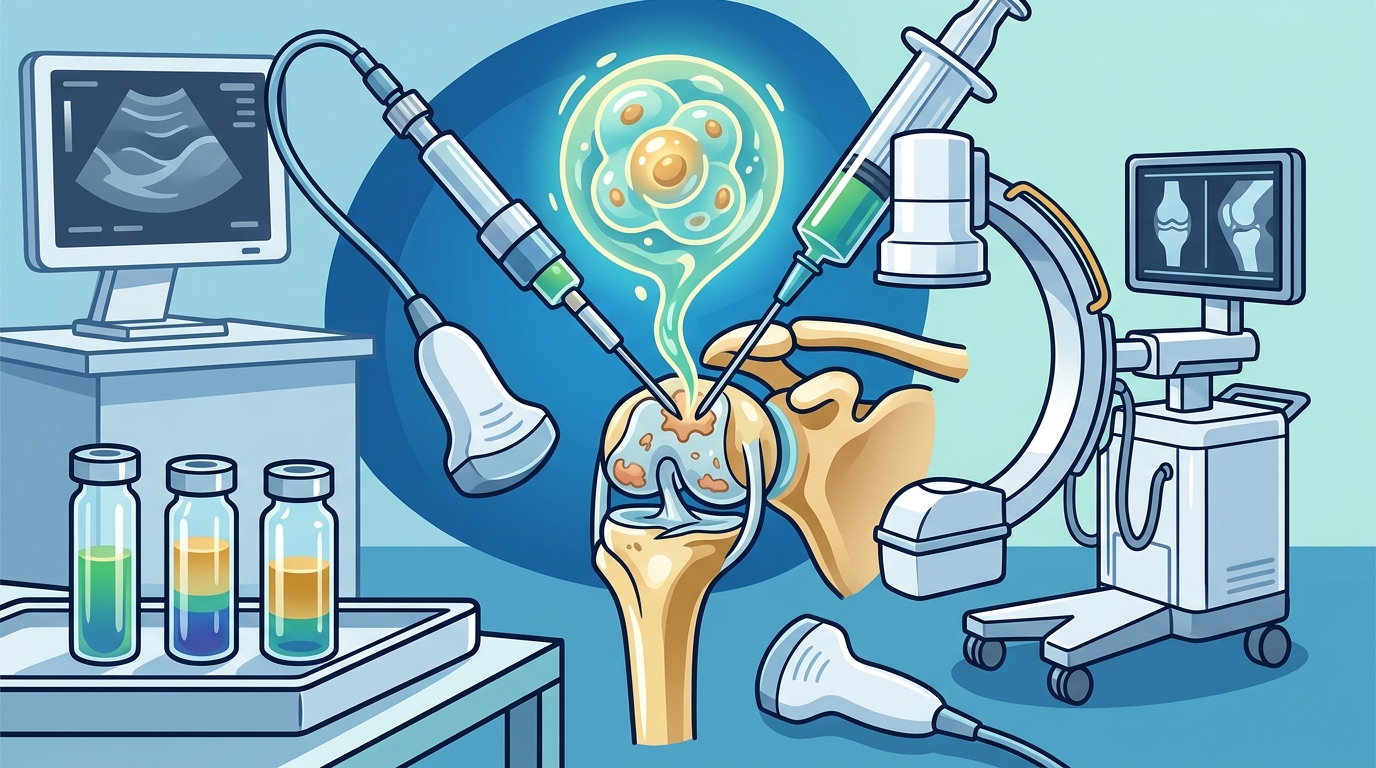
Ultrasound imaging is equal to or better than MRI in evaluating most tendon and ligament disorders in the arms and legs. This includes common conditions such as rotator cuff tendinitis, tennis elbow, and ankle sprains. By using real-time ultrasound, our doctors can identify the exact source of pain during your visit. This immediate feedback allows for precise treatment planning without the delay of external imaging referrals. (How A2M Offers a)
For spinal issues, we employ fluoroscopic C-Arm guidance. This technology ensures that injections are placed with millimeter accuracy, maximizing therapeutic benefit while minimizing risk. Understanding the specific anatomy of your injury is the first step in avoiding unnecessary surgery. (Meet Our Team)
Platelet Rich Plasma (PRP) Therapy
Platelet Rich Plasma, or PRP, is a concentrated solution of your own platelets. Platelets are blood cells that contain growth factors and proteins that help heal injured tissue. When injected into damaged joints or tendons, PRP stimulates the body's natural healing response.
Research indicates that PRP can significantly reduce pain and improve function in patients with knee osteoarthritis. A meta-analysis of randomized controlled trials confirmed the efficacy of Platelet-Rich Plasma in the treatment of knee osteoarthritis. The growth factors released by the platelets attract stem cells to the injury site, promoting tissue repair and reducing inflammation.
PRP is not limited to orthopedic use. It is also effective for skin rejuvenation and hair restoration. The regenerative capacity of PRP makes it a versatile tool in both aesthetic and medical applications. For shoulder and hip pain, PRP can help repair torn tendons and ligaments, potentially delaying or eliminating the need for surgical repair.
Stem Cell and Biocellular Therapies
Adipose Biocellular therapy involves harvesting stem cells from your own fat tissue. These cells are then processed and injected into the affected joint. This approach leverages the body's own regenerative potential to repair damaged cartilage and bone.
Scientists have identified hundreds of growth and repair compounds in PRP and adipose tissue. These compounds work synergistically to promote healing. Regeneration of cartilage in human knee osteoarthritis with autologous adipose tissue-derived stem cells has shown promising results in clinical case series. The cells help regenerate human bones in hip osteonecrosis and human cartilage in knee osteoarthritis.
Unlike synthetic implants, biocellular therapies are autologous, meaning they come from your own body. This reduces the risk of rejection and immune reaction. The goal is to restore the natural biology of the joint, allowing for long-term pain-free function. This is particularly important for younger patients who wish to avoid the limitations of joint replacement.
Prolotherapy for Joint Stability
Prolotherapy is a non-surgical treatment that involves injecting an irritant solution, such as dextrose, into damaged ligaments and tendons. This injection causes a localized inflammatory response, which stimulates the body to heal the area. It is particularly effective for joint laxity and chronic pain.
Long term effects of dextrose prolotherapy for anterior cruciate ligament laxity have been studied extensively. The treatment strengthens the ligaments, providing better joint stability and reducing pain. Prolotherapy is a nontraditional approach to knee osteoarthritis that focuses on structural integrity rather than just symptom management.
Patients with osteoarthritis often have weakened ligaments that contribute to joint instability. By tightening these ligaments, prolotherapy can reduce the wear and tear on the joint surface. This can slow the progression of arthritis and improve overall joint function. It is a cost-effective alternative to surgery for many patients.
Comparing Non-Surgical Options
Choosing the right treatment depends on the specific condition, the severity of the injury, and the patient's goals. The table below summarizes the key features of our primary non-surgical therapies.
| Therapy | Primary Mechanism | Best For | Key Benefit |
|---|---|---|---|
| PRP Therapy | Growth Factor Release | Tendon Tears, Early Arthritis | Accelerated Natural Healing |
| Stem Cell Therapy | Cellular Regeneration | Cartilage Loss, Bone Necrosis | Tissue Repair and Regrowth |
| Prolotherapy | Ligament Strengthening | Joint Laxity, Chronic Pain | Improved Joint Stability |
| IV Therapy | Nutritional Support | Systemic Inflammation, Fatigue | Whole Body Recovery |
Our doctors at Oregon Regenerative Medicine have decades of experience in these arts. We combine hands-on diagnosis with advanced imaging to create personalized treatment plans. Most of our patients have been told that their only solution is surgery or a lifetime on pain medications. While no treatment has 100% success, the vast majority of our patients achieve durable pain-free function without surgery, joint replacement, or drugs.
Key Takeaways
- Diagnostic Accuracy: Ultrasound and fluoroscopy provide real-time visualization, ensuring precise treatment delivery.
- PRP Efficacy: Clinical data supports PRP for reducing pain in knee osteoarthritis and repairing tendon injuries.
- Biocellular Potential: Adipose-derived stem cells can regenerate cartilage and bone, offering hope for advanced arthritis.
- Prolotherapy Benefits: Dextrose injections strengthen ligaments, improving joint stability and reducing chronic pain.
- Experience Matters: Over 30 years of dedication to regenerative medicine ensures high standards of care.
- Volume of Success: More than 40,000 regenerative injections have been performed with positive outcomes.
- Non-Surgical Focus: The goal is to restore function and avoid the risks associated with joint replacement surgery.
Frequently Asked Questions
Can PRP therapy really help with knee pain?
Yes, numerous studies, including meta-analyses, have shown that PRP can significantly reduce pain and improve function in patients with knee osteoarthritis. It works by stimulating the body's natural healing processes.
What is the difference between PRP and stem cell therapy?
PRP uses concentrated platelets from your blood to release growth factors. Stem cell therapy uses adult adipose cells harvested from your fat tissue to promote cellular regeneration. Both are autologous and safe.
Is prolotherapy painful?
Prolotherapy involves an injection that causes a temporary inflammatory response. While there is some discomfort during and after the procedure, it is generally well-tolerated and leads to long-term pain relief.
How many treatments are needed?
Treatment plans vary based on the severity of the condition. Some patients see improvement after one session, while others may require a series of injections. Our doctors will outline a specific plan during your consultation.
Are these treatments covered by insurance?
Insurance coverage for regenerative medicine varies. We recommend contacting your provider directly to verify benefits. We also provide detailed documentation to support your claim.
What is fluoroscopic guidance?
Fluoroscopic guidance is a real-time X-ray technique used to ensure precise needle placement during spine and joint injections. It enhances safety and efficacy.
Can I avoid surgery if I have hip osteoarthritis?
Many patients with hip osteoarthritis can avoid surgery through biocellular stem cell therapies and other regenerative treatments. Our doctors evaluate each case individually to determine the best course of action.
Schedule Your Consultation
If you are suffering from shoulder, knee, or hip pain, do not accept surgery as your only option. Oregon Regenerative Medicine offers evidence-based, non-surgical treatments that can help you live a pain-free life. Located inside the historic Foundry Building at Oswego Pointe, we serve patients across the Oregon, Washington, and Portland region.
Contact us today to schedule a consultation. Our team is ready to help you explore your options and create a path to healthy, active longevity. Visit our Contact Page to get started.