Where to Find a Non-Surgical Orthopedic Specialist in Portland, Vancouver, or the Willamette Valley
For patients across the Pacific Northwest, avoiding invasive surgery is often the primary goal when dealing with chronic joint pain or sports injuries. According to recent orthopedic data, over 40,000 regenerative injections have been performed by specialized clinics in the Portland region alone, highlighting a massive shift toward non-surgical interventions. This guide details how to identify the right specialist, understand the available therapies, and locate expert care in Portland, Vancouver, and the Willamette Valley. (Meet Our Team)
Identifying the Right Specialist
Finding a non-surgical orthopedic specialist requires looking beyond traditional general practitioners. You need a provider who specializes in regenerative medicine, a field dedicated to repairing damaged tissues rather than just managing symptoms. In the Pacific Northwest, this specialty often blends orthopedic expertise with functional medicine and aesthetic regenerative techniques.
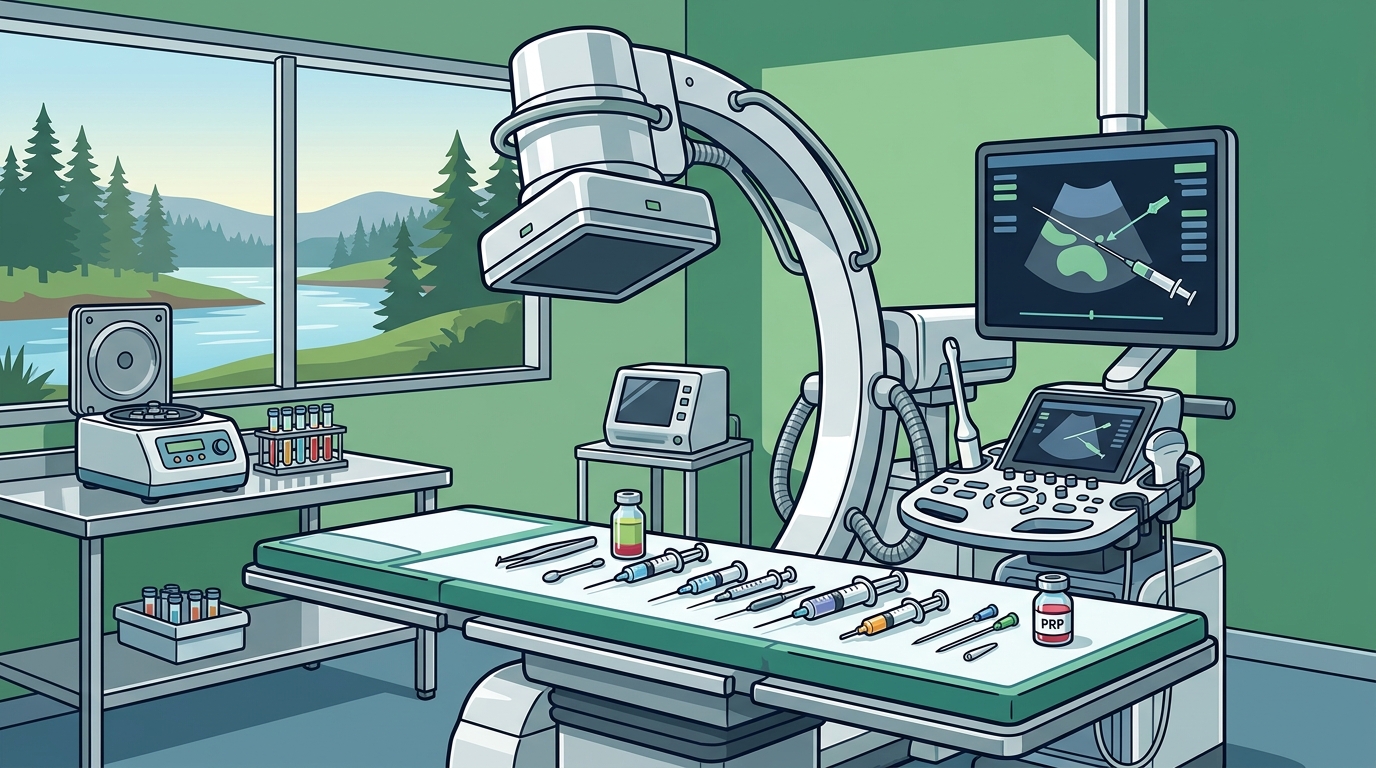
When evaluating potential doctors, look for credentials that indicate advanced training in image-guided injections. Proficiency in ultrasound imaging and fluoroscopic guidance is critical. These tools allow doctors to see inside the body in real-time, ensuring that treatments are delivered exactly where the injury exists. Without this precision, even the most advanced therapies can fail to deliver results.
Experience matters significantly in this field. Look for clinics that have been operating for decades and have treated thousands of patients. Longevity in the industry often correlates with refined techniques and a robust understanding of complex musculoskeletal conditions. At Oregon Regenerative Medicine, for example, the team has over 30 years of dedicated experience in empowering patients to create healthy, active longevity through non-surgical means.
Core Regenerative Therapies Explained
Non-surgical orthopedic care relies on several key modalities. Understanding these options helps you have a more informed conversation with your specialist. The three primary pillars of regenerative orthopedics are Prolotherapy, Platelet-Rich Plasma (PRP), and Stem Cell Therapy.
Prolotherapy
Prolotherapy is an injection technique that involves injecting an irritant solution, such as dextrose, into damaged ligaments and tendons. This process stimulates the body's natural healing response, causing new tissue growth and strengthening the affected area. It is particularly effective for chronic joint laxity and osteoarthritis. Research indicates that prolotherapy can provide long-term relief for conditions like anterior cruciate ligament laxity and knee osteoarthritis.
Platelet-Rich Plasma (PRP)
Platelet-Rich Plasma is a concentration of your own platelets, which contain growth factors that accelerate healing. PRP is extracted from your blood and injected into the injured area. It is widely used for tendon injuries, such as tennis elbow and Achilles tendinitis, as well as for osteoarthritis in the knee and hip. Studies on the efficacy of PRP in treating knee osteoarthritis show promising results in reducing pain and improving function.
Stem Cell Therapy
Stem Cell Therapy, specifically using autologous adipose-derived stem cells, involves harvesting stem cells from your own body fat and injecting them into the damaged joint or tissue. These cells have the potential to differentiate into various cell types, promoting regeneration of cartilage and other tissues. This approach is often considered for severe osteoarthritis where other treatments have failed. The regenerative capacity of adipose-derived stem cells is a subject of extensive scientific review.
The Role of Ultrasound and Imaging
A critical differentiator between a standard orthopedic visit and a specialized regenerative medicine consultation is the use of advanced imaging. Many patients are frustrated by the traditional model of getting an MRI, waiting for results, and then scheduling another appointment. This delay can prolong pain and hinder recovery.
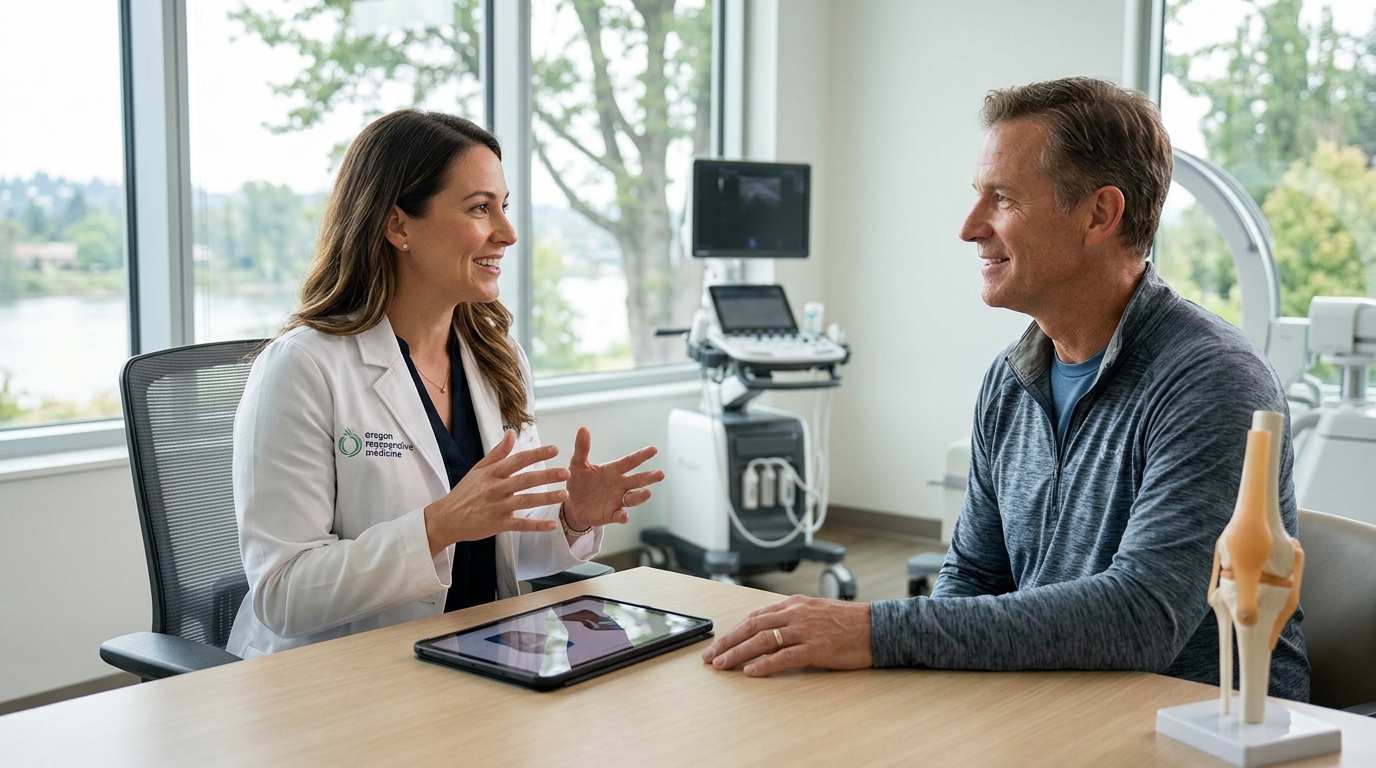
Modern regenerative specialists use in-office ultrasound imaging to diagnose and treat conditions simultaneously. Ultrasound is equal to or better than MRI for evaluating most tendon and ligament disorders in the arms and legs. It allows for real-time visualization of the injury, enabling the doctor to guide needles with pinpoint accuracy. This precision ensures that the therapeutic agents are delivered exactly to the target site, maximizing efficacy.
At Oregon Regenerative Medicine, the physicians are highly skilled in ultrasound imaging for both diagnosis and image-guided procedures. This capability allows them to provide answers and treatment on the same day, saving patients weeks or months of waiting. The ability to separate individual tendon fibers and avoid nerves during injection is a hallmark of expert care.
Accessing Care in Portland, Vancouver, and Beyond
For residents of Portland, Vancouver, and the Willamette Valley, access to high-quality non-surgical orthopedic care is readily available. The Pacific Northwest has become a hub for regenerative medicine, with numerous experts pioneering non-surgical treatments for musculoskeletal injuries.
Portland, Oregon: Portland is home to several leading regenerative medicine clinics. The city's medical community has embraced advanced techniques like PRP and stem cell therapy. Patients in Portland can find specialists who offer comprehensive evaluations, including functional medicine and hormone optimization, alongside orthopedic care. The historic Foundry Building at Oswego Pointe houses one of the region's most established clinics, serving thousands of patients from the Oregon and Washington regions.
Vancouver, Washington: Just across the river, Vancouver residents have access to similar high-level care. Many specialists in Portland also serve the Vancouver area, making it convenient for patients on both sides of the state line. The proximity allows for easy follow-up visits, which are crucial for monitoring progress and adjusting treatment plans.
The Willamette Valley: Patients in the Willamette Valley, including Eugene and Salem, can also benefit from these specialized services. While some may travel to Portland for initial consultations, the availability of telehealth and the effectiveness of non-surgical treatments mean that ongoing care can often be managed with fewer visits. Additionally, the region's growing network of functional medicine providers supports the holistic approach often required for long-term recovery.
When choosing a provider, consider their geographic location relative to your home. Regular follow-ups are essential for regenerative therapies. A clinic that is easily accessible can make a significant difference in your ability to adhere to your treatment plan. For those in the greater Portland metro area, contacting a local specialist is the first step toward pain-free living.
Key Takeaways
- Non-Surgical Options Exist: Over 40,000 regenerative injections have been performed in the Portland region, demonstrating the viability of non-surgical treatments for joint pain.
- Specialist Credentials Matter: Look for doctors with decades of experience and proficiency in ultrasound and fluoroscopic guidance.
- Imaging is Critical: In-office ultrasound allows for real-time diagnosis and precise injection, improving outcomes and reducing wait times.
- Therapy Types: Prolotherapy, PRP, and Stem Cell Therapy are the primary non-surgical modalities for repairing tendons, ligaments, and joints.
- Regional Access: Portland, Vancouver, and the Willamette Valley have access to world-class regenerative medicine experts.
- Holistic Approach: Many specialists integrate functional medicine, nutrition, and hormone optimization into their orthopedic care plans.
- Long-Term Results: The goal of regenerative medicine is durable pain-free function, potentially avoiding surgery or joint replacement.
Frequently Asked Questions
What is the difference between a regular orthopedist and a regenerative medicine specialist?
A regular orthopedist often focuses on surgical interventions and pain management. A regenerative medicine specialist focuses on repairing damaged tissues using the body's own healing mechanisms, such as PRP and stem cells, to restore function and avoid surgery.
How do I know if I am a candidate for non-surgical orthopedic treatment?
Candidates typically include individuals with chronic joint pain, tendon injuries, or early-stage osteoarthritis who wish to avoid surgery. A consultation with a specialist, including ultrasound imaging, can determine if your specific condition is amenable to regenerative therapies.
Is PRP therapy covered by insurance?
Insurance coverage for regenerative therapies varies widely. Some plans may cover the diagnostic imaging or the procedure if deemed medically necessary, while others may classify it as experimental. It is best to check with your provider and the clinic's billing department for specific details.
How long does recovery take after a regenerative injection?
Recovery times vary depending on the treatment and the severity of the injury. Most patients can resume light activities immediately but are advised to avoid strenuous exercise for a few days to a week. Full healing and tissue regeneration can take several weeks to months.
Can I find a non-surgical orthopedic specialist in the Willamette Valley?
Yes, while many specialists are based in Portland, they serve patients throughout the Willamette Valley. Some providers also offer telehealth consultations, making it easier for patients in remote areas to access expert care.
What are the risks of stem cell therapy?
When using autologous (your own) stem cells, the risks are minimal and similar to any injection procedure, such as infection or bleeding. However, it is crucial to choose a reputable clinic that follows strict safety protocols. Patients should be wary of clinics offering unproven or non-autologous stem cell treatments.
Why is ultrasound guidance important for injections?
Ultrasound guidance ensures that the therapeutic agent is delivered exactly to the target tissue, such as a torn tendon or inflamed joint lining. This precision maximizes the effectiveness of the treatment and minimizes the risk of damaging surrounding structures like nerves or blood vessels.