Behind-the-Scenes Clinical Standards in Non-Surgical Orthopedic Practice
Non-surgical orthopedic care has evolved from a reactive treatment model into a precision-driven medical specialty. Today, patients expect more than just pain relief; they demand durable, long-term functional restoration without the risks associated with invasive surgery. This shift is powered by rigorous clinical standards that govern every aspect of care, from initial diagnosis to the final injection. At Oregon Regenerative Medicine, these standards are not merely guidelines but the foundational pillars of our practice. We operate with a commitment to evidence-based medicine, ensuring that every procedure is safe, effective, and tailored to the individual patient's anatomy. Understanding these behind-the-scenes protocols reveals why non-surgical interventions like Platelet Rich Plasma (PRP), Prolotherapy, and stem cell therapies are becoming the gold standard for treating osteoarthritis and musculoskeletal injuries.
Diagnostic Precision: The Role of Ultrasound
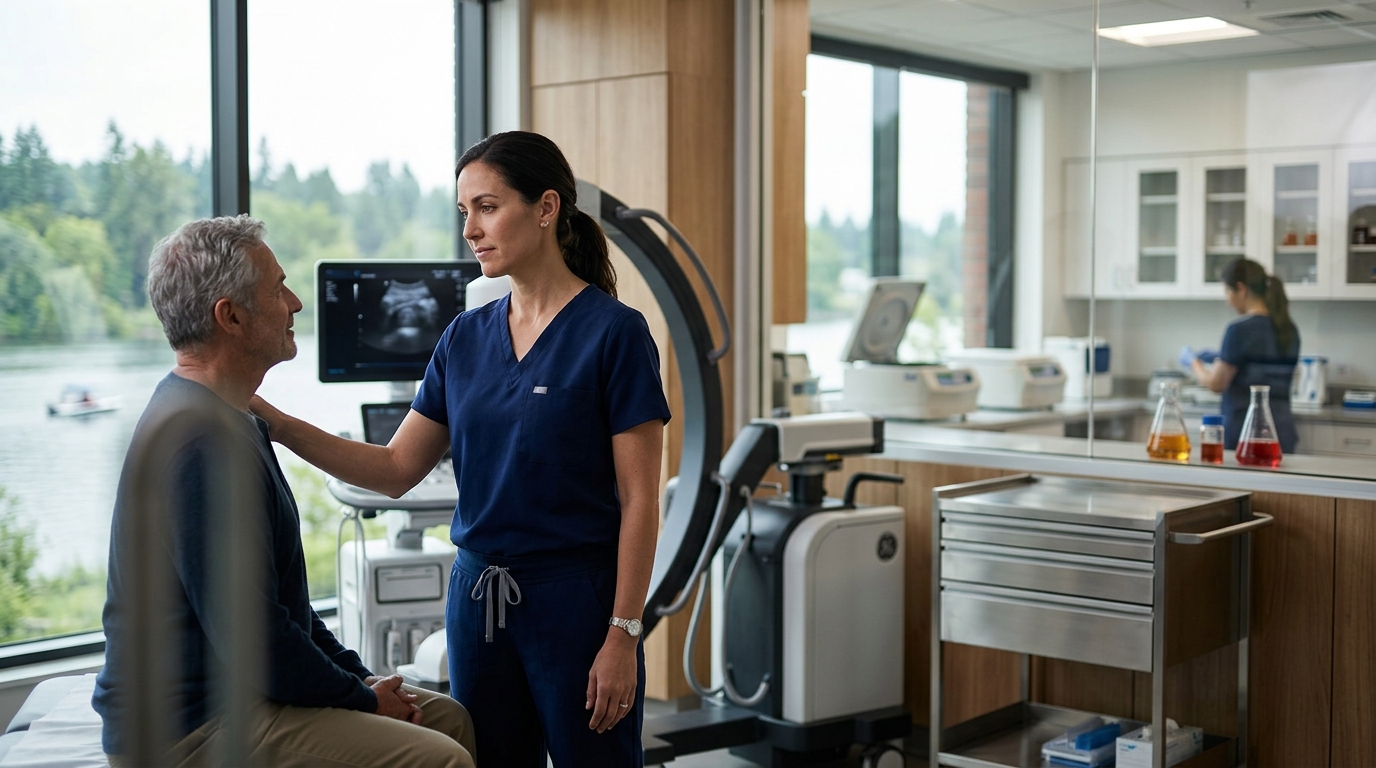
The cornerstone of any successful non-surgical orthopedic intervention is an accurate diagnosis. Traditional methods often rely on static imaging like X-rays or MRIs, which provide a snapshot in time but lack dynamic context. In contrast, ultrasound imaging allows practitioners to visualize soft tissues in real-time. This technology is critical for identifying the exact source of pain, whether it is a torn tendon, inflamed ligament, or degenerated joint surface.
Ultrasound imaging is equal to or better than MRI in evaluating most tendon and ligament disorders in the arms and legs. This includes common conditions such as achilles tendinitis, tennis elbow, golfer’s elbow, rotator cuff tendinitis, and meniscus tears. By using ultrasound, clinicians can separate out individual tendon, ligament, and fascia fibers, get around nerves, and deliver treatment with absolute precision. This real-time visualization ensures that the needle is placed exactly where it needs to go, eliminating the guesswork associated with landmark-based injections.
According to recent studies in musculoskeletal medicine, the integration of ultrasound guidance significantly reduces complication rates and improves patient outcomes. The American College of Radiology highlights the superiority of ultrasound for soft tissue evaluation, noting its ability to provide immediate feedback during procedures. This level of diagnostic clarity is what separates a standard clinic from a specialized regenerative medicine practice.
PRP Preparation and Clinical Standards
Platelet Rich Plasma (PRP) therapy harnesses the body's natural healing mechanisms by concentrating platelets and growth factors from the patient's own blood. However, not all PRP is created equal. The clinical standards for preparing PRP involve strict protocols to ensure the highest concentration of therapeutic cells and the optimal ratio of red blood cells to platelets.
Scientists have identified hundreds of growth and repair compounds in PRP, which play a crucial role in tissue regeneration. The preparation process must be standardized to ensure consistency. At Oregon Regenerative Medicine, we utilize advanced centrifugation techniques to isolate the most potent fraction of platelets. This ensures that the patient receives a high-dose, high-potency treatment that maximizes the biological response.
A meta-analysis of randomized controlled trials published in the Journal of Orthopaedic Surgery and Research confirms the efficacy of Platelet-Rich Plasma in the treatment of knee osteoarthritis. The study found that PRP injections provided significant pain relief and functional improvement compared to placebo injections. This evidence underscores the importance of using high-quality, properly prepared PRP in clinical practice.
Stem Cell Therapy: Safety and Efficacy
Adipose-derived stem cell therapy represents the cutting edge of regenerative medicine. By harvesting adult adipose tissue from the patient's own body, clinicians can access a rich source of reparative cells. These cells, known as mesenchymal stem cells (MSCs), have the unique ability to differentiate into various tissue types and modulate the immune response.
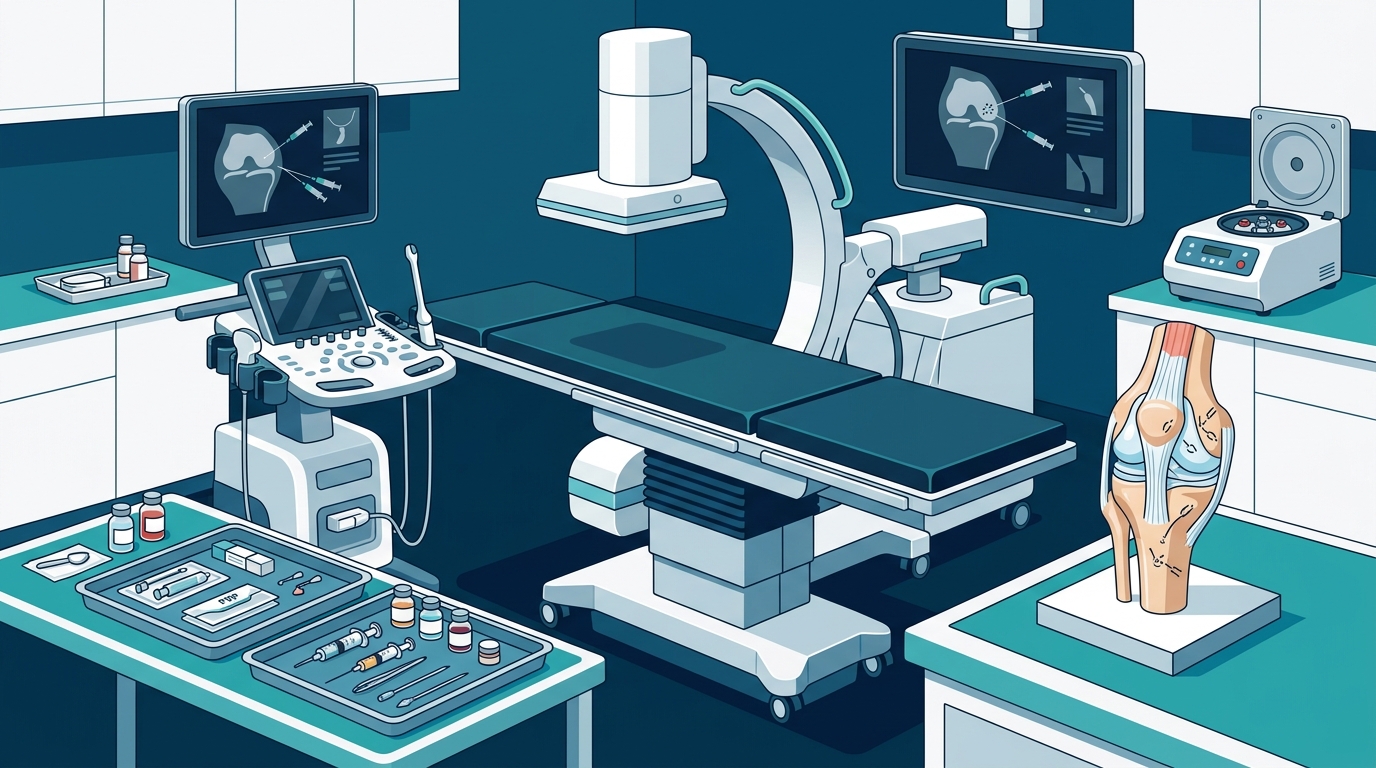
The clinical standards for stem cell therapy are exceptionally high due to the complexity of the procedure. It requires meticulous harvesting, processing, and injection techniques to ensure cell viability and safety. At Oregon Regenerative Medicine, our doctors are highly skilled in the art of hands-on diagnosis and image-guided procedures. We use ultrasound and fluoroscopic C-Arm guidance to ensure that the stem cell graft is delivered to the precise location of injury.
Research indicates that adipose tissue-derived mesenchymal stem cells facilitate hematopoiesis and tissue regeneration more effectively than bone marrow-derived cells. A study published in Stem Cells Translational Medicine highlights the advantages of adipose-derived cells in cartilage regeneration. This data supports the use of autologous adipose tissue as a powerful tool in treating degenerative joint diseases.
Comparing Non-Surgical Modalities
Choosing the right treatment depends on the specific condition, the severity of the injury, and the patient's overall health. Below is a comparison of the primary non-surgical modalities offered at specialized orthopedic practices.
| Treatment Modality | Primary Mechanism | Best For | Clinical Standard |
|---|---|---|---|
| Platelet Rich Plasma (PRP) | Concentrated growth factors from blood | Tendon injuries, early osteoarthritis | High-concentration centrifugation protocols |
| Prolotherapy | Irritant solution to stimulate healing | Ligament laxity, chronic joint pain | Ultrasound-guided precision injection |
| Adipose Stem Cell Therapy | Autologous reparative cells | Advanced osteoarthritis, severe degeneration | Aseptic harvesting and processing |
| IV Therapy | Systemic nutrient delivery | Overall wellness, inflammation reduction | Personalized formulation based on labs |
Each of these treatments requires a different set of clinical standards and expertise. For instance, Prolotherapy involves the injection of dextrose or morrhuate sodium to stimulate the body's healing response. A prospective open-label trial published in Pain Medicine demonstrated the positive effects of dextrose prolotherapy for anterior cruciate ligament laxity. This highlights the importance of using evidence-based solutions in non-surgical orthopedics.
Key Takeaways
- Diagnostic Accuracy: Ultrasound imaging provides real-time visualization, ensuring precise diagnosis and treatment planning.
- PRP Quality: High-concentration PRP preparations are essential for maximizing growth factor delivery and therapeutic outcomes.
- Stem Cell Safety: Autologous adipose-derived stem cells offer a safe and effective option for advanced joint degeneration.
- Evidence-Based Care: Clinical standards are driven by peer-reviewed research and meta-analyses of randomized controlled trials.
- Expertise Matters: Physicians with decades of experience in regenerative medicine deliver superior results through skilled hands-on diagnosis.
- Patient-Centered Approach: Treatment plans are tailored to individual needs, focusing on long-term functional restoration.
- Non-Surgical Success: The vast majority of patients achieve durable pain-free function without surgery or joint replacement.
Frequently Asked Questions
What is the role of ultrasound in non-surgical orthopedics?
Ultrasound imaging allows clinicians to visualize soft tissues in real-time, ensuring accurate diagnosis and precise needle placement during injections. This reduces the risk of complications and improves treatment efficacy.
How is PRP prepared for clinical use?
PRP is prepared by centrifuging the patient's blood to concentrate platelets and growth factors. Clinical standards require high-concentration protocols to ensure the therapeutic potency of the final product.
Are stem cell therapies safe?
Autologous stem cell therapies, which use the patient's own cells, are generally considered safe. The clinical standards for harvesting and processing ensure that the cells are viable and free from contamination.
What conditions can be treated with Prolotherapy?
Prolotherapy is effective for treating ligament laxity, chronic joint pain, and osteoarthritis. It works by stimulating the body's natural healing response through the injection of irritant solutions.
Why is ultrasound guidance preferred over landmark-based injections?
Ultrasound guidance provides real-time visualization of the needle and target tissue, ensuring precise delivery of the treatment. This is particularly important for complex anatomical areas where landmarks may be unreliable.
What is the success rate of non-surgical orthopedic treatments?
While no treatment has a 100% success rate, the vast majority of patients at specialized clinics like Oregon Regenerative Medicine achieve durable pain-free function. Success depends on the specific condition and the patient's adherence to post-treatment protocols.
How long does it take to see results from PRP therapy?
Results from PRP therapy can vary, but many patients begin to notice improvements within a few weeks. Full benefits may take several months as the body continues to heal and regenerate tissue.
Schedule Your Consultation
If you are suffering from chronic pain or joint degeneration, it is time to explore non-surgical options that can restore your function and quality of life. At Oregon Regenerative Medicine, our team of experienced doctors is dedicated to providing evidence-based, precision-driven care. We invite you to schedule a consultation to discuss your specific needs and learn how our clinical standards can help you achieve your health goals. Contact us today to take the first step toward a pain-free future.