

Biocellular joint regeneration represents a paradigm shift in orthopedic care, moving beyond symptom management to actual tissue repair. According to recent clinical data, regenerative therapies are increasingly recognized as viable alternatives to invasive surgery for degenerative joint conditions. This approach leverages the body's own healing mechanisms to restore function and reduce chronic pain without the risks associated with traditional surgical interventions.
What Is Biocellular Joint Regeneration?
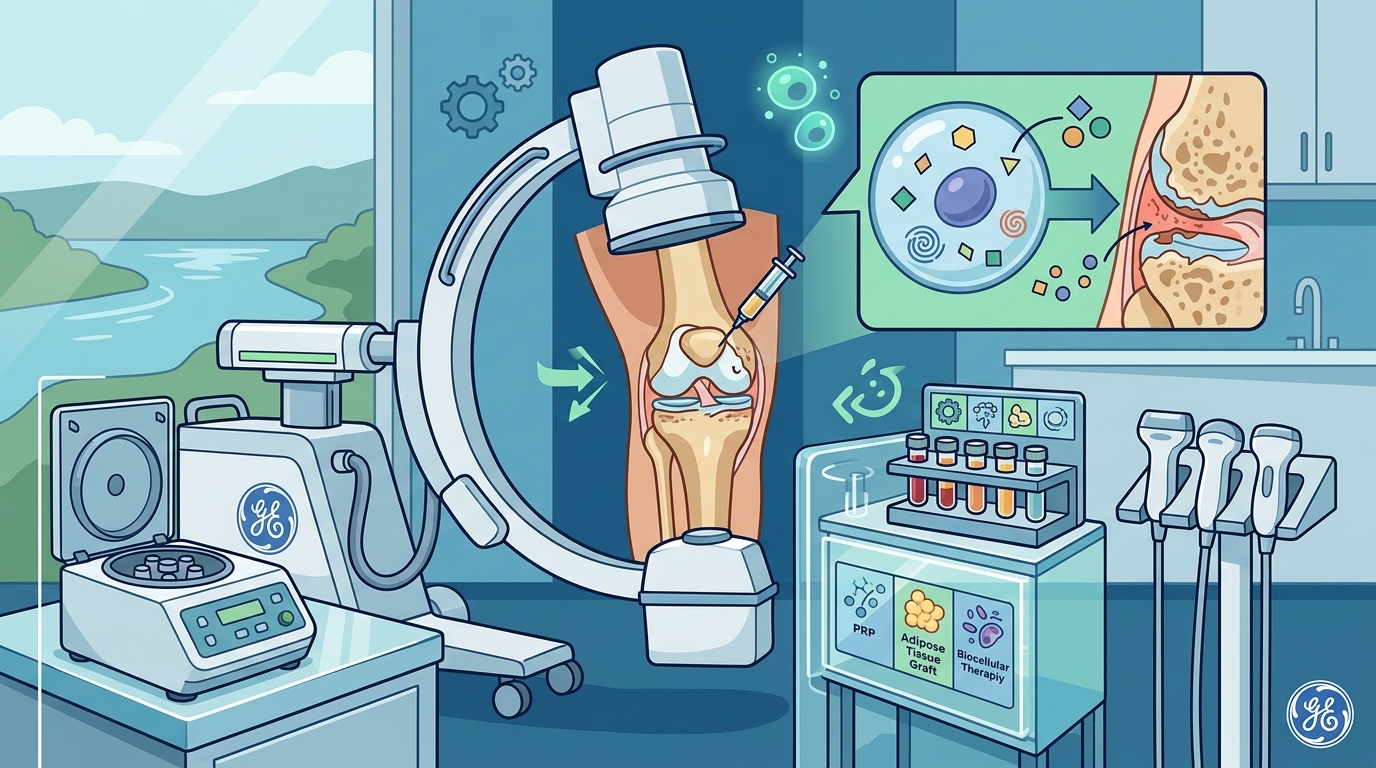
Biocellular joint regeneration is a specialized medical protocol that utilizes adipose-derived stem cells and platelet-rich plasma to stimulate tissue repair. This method differs significantly from standard Platelet Rich Plasma (PRP) therapy by incorporating a higher concentration of regenerative cells. The process involves harvesting adipose tissue, processing it to isolate stem cells, and injecting them directly into the affected joint or tissue.
Adipose Biocellular therapy is a regenerative medicine technique that uses stem cells derived from fat tissue to promote healing in damaged joints. By targeting the root cause of degeneration, this therapy aims to restore the structural integrity of cartilage, tendons, and ligaments. The procedure is typically performed under ultrasound guidance to ensure precise delivery of the therapeutic agents to the specific area of injury.
For patients seeking advanced orthopedic care, understanding the distinction between standard PRP and biocellular therapy is crucial. While PRP relies primarily on growth factors, biocellular therapy introduces living cells that can actively participate in tissue regeneration. This distinction is particularly important for patients with advanced degenerative conditions who may not respond adequately to PRP alone.
Treating Osteoarthritis and Cartilage Loss
Osteoarthritis is the most common form of arthritis, characterized by the breakdown of cartilage in the joints. This condition affects millions of people worldwide, leading to pain, stiffness, and reduced mobility. Biocellular joint regeneration offers a promising solution for patients with moderate to severe osteoarthritis who wish to delay or avoid joint replacement surgery.
According to research on regenerative capacity, adipose-derived stem cells have shown significant potential in slowing the progression of osteoarthritis. These cells can differentiate into chondrocytes, the cells responsible for producing and maintaining cartilage. By injecting these cells into the affected joint, doctors can help rebuild damaged cartilage and reduce inflammation.
Patients with knee, hip, or shoulder osteoarthritis often experience substantial pain relief after undergoing biocellular therapy. The treatment works by modulating the inflammatory response and stimulating the body's natural repair mechanisms. This approach is particularly beneficial for individuals who are not yet candidates for total joint replacement or who wish to preserve their native joint structure for as long as possible.
Addressing Tendon and Ligament Pathology
Tendon and ligament injuries are common sources of chronic pain and functional impairment. Conditions such as tennis elbow, golfer's elbow, and rotator cuff tears often fail to heal properly due to poor blood supply in the affected tissues. Biocellular joint regeneration addresses this limitation by introducing a concentrated dose of regenerative cells directly to the injury site.
Tendon regeneration is a critical component of biocellular therapy, as it helps restore the tensile strength of damaged tendons. The stem cells released during the procedure promote the formation of new collagen fibers, which are essential for tendon healing. This process can significantly reduce recovery time and improve the long-term outcomes for athletes and active individuals.
Ligament injuries, such as those affecting the anterior cruciate ligament (ACL) or ankle ligaments, also benefit from biocellular treatment. The anti-inflammatory properties of the therapy help reduce swelling and pain, while the regenerative cells promote the repair of torn ligament fibers. For patients with chronic ligament instability, this therapy can provide a non-surgical option for stabilizing the joint.
Spine Conditions and Disc Degeneration
Spinal degeneration is a leading cause of chronic back and neck pain. Conditions such as herniated discs, spinal stenosis, and facet joint arthritis can severely impact quality of life. Biocellular joint regeneration is increasingly being used to treat these spinal conditions, offering a minimally invasive alternative to spinal fusion or decompression surgery.
Disc regeneration is a complex process that involves restoring the hydration and structural integrity of the intervertebral discs. Stem cells injected into the disc space can help reduce inflammation and promote the repair of damaged disc tissue. This approach is particularly effective for patients with early to moderate disc degeneration who have not responded to conservative treatments.
Fluoroscopy-guided spine injections are often used in conjunction with biocellular therapy to ensure accurate placement of the regenerative agents. This precision is critical for maximizing the therapeutic effect and minimizing the risk of complications. Patients with radiculopathy or sciatica caused by disc herniation may experience significant relief from nerve compression after undergoing this treatment.
Inflammatory Conditions and Autoimmune Support
In addition to degenerative conditions, biocellular joint regeneration can be beneficial for patients with inflammatory joint diseases. Conditions such as rheumatoid arthritis and psoriatic arthritis involve chronic inflammation that can lead to joint destruction. While these conditions require comprehensive medical management, biocellular therapy can help mitigate the local inflammatory response in affected joints.
The immunomodulatory properties of adipose-derived stem cells play a key role in treating inflammatory conditions. These cells can regulate the immune response, reducing the production of pro-inflammatory cytokines that contribute to joint damage. This effect can help slow the progression of the disease and preserve joint function.
For patients with autoimmune-related joint pain, biocellular therapy offers a holistic approach to pain management. By addressing both the structural damage and the underlying inflammation, this therapy can improve overall joint health and reduce the reliance on pain medications. It is important to note that this treatment is typically used as part of a broader treatment plan that includes medical management of the autoimmune condition.
Biocellular Therapy vs. Traditional Options
When considering treatment options for joint pain, it is essential to understand the differences between biocellular therapy and traditional approaches. The table below summarizes the key distinctions between biocellular regeneration, standard PRP, and surgical interventions.
| Treatment Option | Mechanism of Action | Best For | Invasiveness |
|---|---|---|---|
| Biocellular Joint Regeneration | Stem cell and growth factor delivery | Advanced degeneration, cartilage loss | Minimally Invasive |
| Standard PRP Therapy | Growth factor concentration | Mild to moderate injuries | Minimally Invasive |
| Prolotherapy | Irritant-induced healing response | Ligament laxity, mild pain | Minimally Invasive |
| Surgical Intervention | Structural repair or replacement | Severe structural damage | Highly Invasive |
Biocellular therapy occupies a unique space in the treatment landscape. It is more potent than standard PRP due to the presence of stem cells, yet it is far less invasive than surgery. For patients who have exhausted conservative treatments but are not ready for surgery, biocellular regeneration offers a compelling middle ground.
Key Takeaways
- Biocellular joint regeneration utilizes adipose-derived stem cells to promote tissue repair and reduce inflammation.
- The therapy is effective for treating osteoarthritis, tendon injuries, and early-stage disc degeneration.
- Ultrasound guidance is critical for ensuring precise delivery of regenerative agents to the target site.
- Adipose Biocellular therapy offers a more robust regenerative response compared to standard PRP injections.
- Patients with inflammatory joint conditions may experience reduced local inflammation and pain relief.
- The treatment is minimally invasive and typically performed in an outpatient setting at clinics like Oregon Regenerative Medicine.
- Consultation with a specialist is necessary to determine candidacy based on the severity of joint damage.
Frequently Asked Questions
How long does it take to see results from biocellular joint regeneration?
Most patients begin to experience pain relief within 2 to 6 weeks after treatment. However, full tissue regeneration and maximum benefit may take up to 3 to 6 months as the stem cells actively repair the damaged tissue.
Is biocellular joint regeneration covered by insurance?
Currently, many insurance plans do not cover regenerative medicine procedures as they are considered experimental or elective. Patients are advised to check with their provider and inquire about self-pay options or financing plans.
What is the difference between PRP and biocellular therapy?
PRP relies on concentrated platelets to release growth factors, while biocellular therapy includes live stem cells derived from adipose tissue. The presence of stem cells allows for more active tissue regeneration and a potentially stronger anti-inflammatory response.
Are there any risks associated with biocellular therapy?
As with any injection procedure, there are minimal risks such as infection, bleeding, or soreness at the injection site. However, because the therapy uses the patient's own cells, the risk of allergic reaction or rejection is virtually non-existent.
Can biocellular therapy cure arthritis?
Biocellular therapy is not a cure for arthritis, but it can significantly slow its progression and manage symptoms. It aims to repair damaged tissue and reduce inflammation, thereby improving joint function and quality of life.
How is the adipose tissue harvested for biocellular therapy?
The tissue is typically harvested via a minor liposuction procedure from the abdominal or thigh area. This is a quick process performed under local anesthesia, and the recovery time is minimal compared to the benefits of the subsequent joint treatment.
Who is the best candidate for this treatment?
Ideal candidates are individuals with moderate to severe joint degeneration who wish to avoid surgery. Patients who have not responded to physical therapy, corticosteroids, or standard PRP are often excellent candidates for biocellular regeneration.
Schedule Your Consultation
If you are suffering from chronic joint pain or degenerative conditions, biocellular joint regeneration may offer the relief you have been seeking. Located in Portland, Oregon, our team of specialists is dedicated to providing personalized care and advanced regenerative solutions. We invite you to contact us today to schedule a consultation and explore how biocellular therapy can help you regain your mobility and improve your quality of life.