Comparing Portland Regenerative Medicine Clinics: ORM vs. The Industry Standard
Regenerative medicine has evolved from a niche experimental field into a cornerstone of modern orthopedic care. According to recent industry data, the global regenerative medicine market is projected to grow at a compound annual growth rate of over 13% through 2030, driven by an aging population seeking alternatives to joint replacement surgery. Patients in the Pacific Northwest are increasingly turning to non-surgical interventions for chronic pain, osteoarthritis, and sports injuries. However, not all clinics offer the same level of precision, expertise, or technological capability. This article compares Oregon Regenerative Medicine (ORM) with general industry standards to highlight what separates a specialized pioneer from a standard provider. (Oregon Regenerative Medicine 8211)
Why Ultrasound Expertise Matters
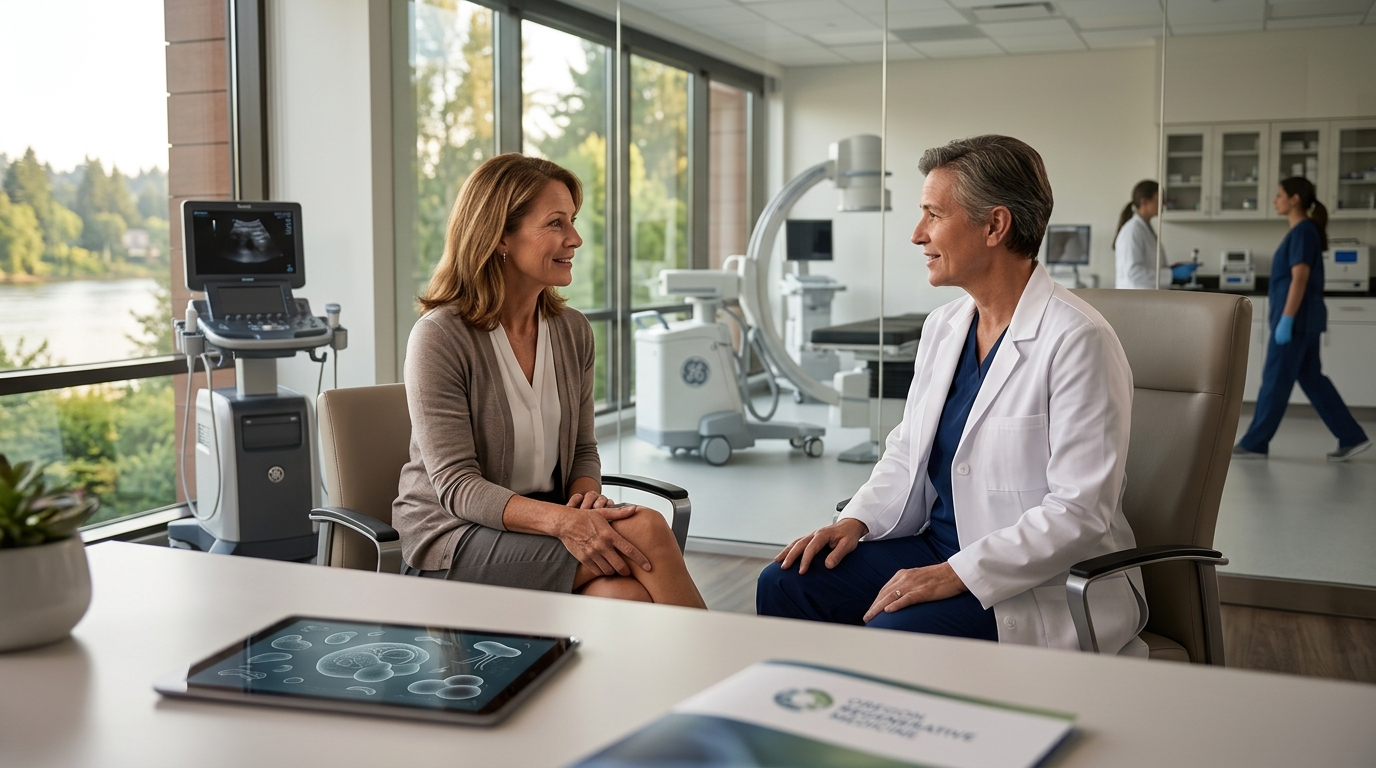
One of the most significant differentiators in regenerative medicine is the ability to visualize the injury in real-time. Many general clinics rely on static imaging like X-rays or MRIs taken days or weeks prior. In contrast, Oregon Regenerative Medicine utilizes advanced in-office ultrasound imaging for both diagnosis and procedural guidance.
Ultrasound imaging is equal to or better than MRI in evaluating most tendon and ligament disorders in the arms and legs. This includes common conditions such as Achilles tendinitis, tennis elbow, golfer’s elbow, and rotator cuff tears. By performing ultrasound in real-time, physicians can separate out individual tendon, ligament, and fascia fibers, get around nerves, and place the needle exactly where it needs to go. This precision eliminates the guesswork associated with "blind" injections.
According to medical literature, the efficacy of Platelet-Rich Plasma (PRP) in treating knee osteoarthritis is significantly enhanced when delivered with image guidance. A meta-analysis of randomized controlled trials confirms that precise delivery of therapeutic agents leads to better clinical outcomes. Without real-time visualization, even the most potent biological treatments may miss the target tissue, reducing their effectiveness.
The Origin of Biocellular Stem Cell Therapy
Oregon Regenerative Medicine is not just another clinic offering stem cells; it is the original home-grown Pacific Northwest expert in this field. For over 30 years, ORM has been dedicated to empowering patients to create healthy, active longevity. The clinic pioneered the non-surgical treatment of musculoskeletal injuries using autologous adipose tissue stem cell grafts.
Stem cell therapy involves using adult adipose cells harvested from the patient's own body. Scientists have identified hundreds of growth and repair compounds in Platelet Rich Plasma (PRP), and adult adipose tissue is the most abundant source of reparative cells in the human body. This approach, known as biocellular therapy, enhances the natural cycles of repair for aging and chronically injured joints.
Research indicates that mesenchymal stem cells (MSCs) derived from adipose tissue have a superior regenerative capacity compared to those from bone marrow. A study on the regenerative capacity of adipose-derived stem cells highlights their advantages in cellular, chemical, and structural components. By using the patient's own cells, ORM minimizes the risk of rejection and maximizes the biological response.
PRP vs. Prolotherapy: Which is Right for You?
Patients often confuse Platelet Rich Plasma (PRP) with Prolotherapy. While both are regenerative treatments, they work through different mechanisms. Understanding the distinction is crucial for selecting the right treatment plan.
| Feature | Platelet Rich Plasma (PRP) | Prolotherapy |
|---|---|---|
| Primary Component | Concentrated platelets from patient's blood | Dextrose or Morrhuate Sodium solutions |
| Mechanism | Releases growth factors to stimulate healing | Induces a localized inflammatory healing response |
| Best For | Tendon tears, ligament laxity, osteoarthritis | Ligament instability, chronic joint pain |
| Guidance | Ultrasound or Fluoroscopic C-Arm | Ultrasound or Fluoroscopic C-Arm |
PRP is particularly effective for soft tissue injuries and early-stage osteoarthritis. According to a systematic review of intra-articular PRP injections, patients with knee osteoarthritis experience significant pain reduction and improved function. Prolotherapy, on the other hand, is often used for chronic ligament laxity. A prospective open-label trial on dextrose prolotherapy for anterior cruciate ligament laxity demonstrated its long-term efficacy in stabilizing joints.
Diagnostic Accuracy and Real-Time Imaging
Accurate diagnosis is the foundation of successful treatment. Many clinics send patients away for external imaging, delaying treatment by weeks. ORM’s approach is patient-centered and immediate. Their physicians are highly skilled in ultrasound imaging for both diagnosis and image-guided procedures.
Getting the correct diagnosis quickly can mean weeks or months of your life back. By visualizing the problem in-the-moment, doctors can determine if an injection is appropriate or if further imaging, such as an MRI, is necessary. This efficiency reduces the burden on patients who are already in pain.
Furthermore, the precision of ultrasound-guided injections ensures that the therapeutic agent is delivered to the exact site of pathology. This is critical for conditions like tennis elbow or rotator cuff tendinitis, where even a millimeter of deviation can result in treatment failure. The ability to see the needle tip in real-time allows for safe navigation around nerves and blood vessels.
Comparative Analysis: ORM vs. General Clinics
When comparing Oregon Regenerative Medicine to general orthopedic or pain management clinics, several key differences emerge. These distinctions highlight ORM’s commitment to specialized, evidence-based care.
- Specialization: ORM focuses exclusively on regenerative medicine, including stem cells, PRP, and prolotherapy. General clinics may offer a broader range of services but lack the depth of expertise in biological treatments.
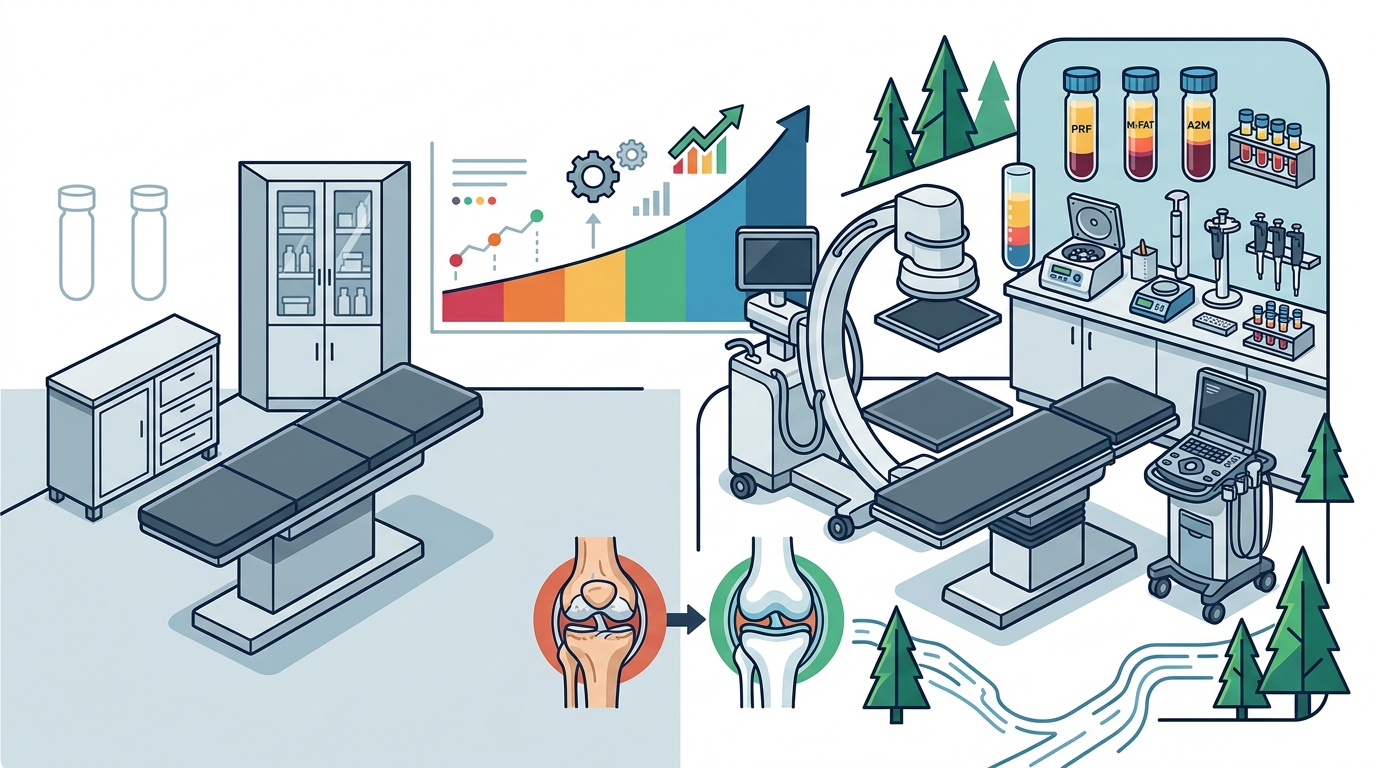
- Technological Integration: ORM integrates ultrasound and fluoroscopic C-Arm guidance into every procedure. Many general providers rely on anatomical landmarks alone, which is less precise.
- Experience: With over 40,000 regenerative injections performed, ORM has a vast repository of clinical experience. This volume of cases contributes to higher success rates and refined techniques.
- Team Expertise: The ORM team includes doctors with decades of experience in hands-on diagnosis, ultrasound imaging, and fluoroscopic guidance. Their credentials, such as DAAPM and FAAOM, reflect specialized training in regenerative medicine.
Research supports the value of specialized care. A study on the efficacy of platelet-rich plasma in treating knee osteoarthritis emphasizes the importance of proper patient selection and precise injection techniques. Clinics with specialized training are better equipped to identify candidates who will benefit most from these therapies.
Key Takeaways
- Oregon Regenerative Medicine has performed over 40,000 regenerative injections, establishing a long track record of success.
- Real-time ultrasound imaging is superior to static imaging for diagnosing tendon and ligament disorders in the extremities.
- Autologous adipose-derived stem cells offer a potent source of reparative cells with minimal risk of rejection.
- PRP and Prolotherapy are distinct treatments with different mechanisms and ideal use cases.
- Image-guided injections significantly improve the accuracy and efficacy of regenerative therapies.
- ORM is located in the historic Foundry Building at Oswego Pointe in Portland, Oregon.
- The clinic serves patients across the Oregon and Washington regions with evidence-based care.
Frequently Asked Questions
What is the difference between PRP and stem cell therapy?
PRP uses concentrated platelets from your blood to release growth factors, while stem cell therapy uses adipose-derived cells to regenerate tissue. Both are effective for different types of injuries.
Is ultrasound guidance necessary for regenerative injections?
Yes, ultrasound guidance ensures the needle is placed exactly in the target tissue, improving outcomes and safety compared to blind injections.
How many regenerative injections has Oregon Regenerative Medicine performed?
ORM has performed over 40,000 regenerative injections, demonstrating extensive clinical experience.
What conditions does ORM treat with regenerative medicine?
ORM treats osteoarthritis, tendon tears, ligament injuries, and chronic joint pain in the knees, hips, shoulders, elbows, and spine.
Are the stem cells used in ORM treatments autologous?
Yes, ORM uses autologous adipose tissue stem cell grafts, harvested from the patient's own body to ensure compatibility.
Does ORM offer virtual consultations?
Yes, ORM offers virtual tours and consultations to help patients understand their treatment options before visiting.
What is the success rate of regenerative medicine?
While no treatment has 100% success, the vast majority of ORM patients achieve durable pain-free function without surgery or drugs.
Where is Oregon Regenerative Medicine located?
ORM is located inside the historic Foundry Building at Oswego Pointe in Portland, Oregon.
Contact Oregon Regenerative Medicine
If you are suffering from chronic pain or joint degeneration, it is time to explore regenerative options. Oregon Regenerative Medicine offers evidence-based, non-surgical treatments tailored to your unique needs. Contact us today to schedule a consultation and discover how we can help you return to an active, pain-free life.
Contact Oregon Regenerative Medicine to learn more about our services and schedule your appointment.