

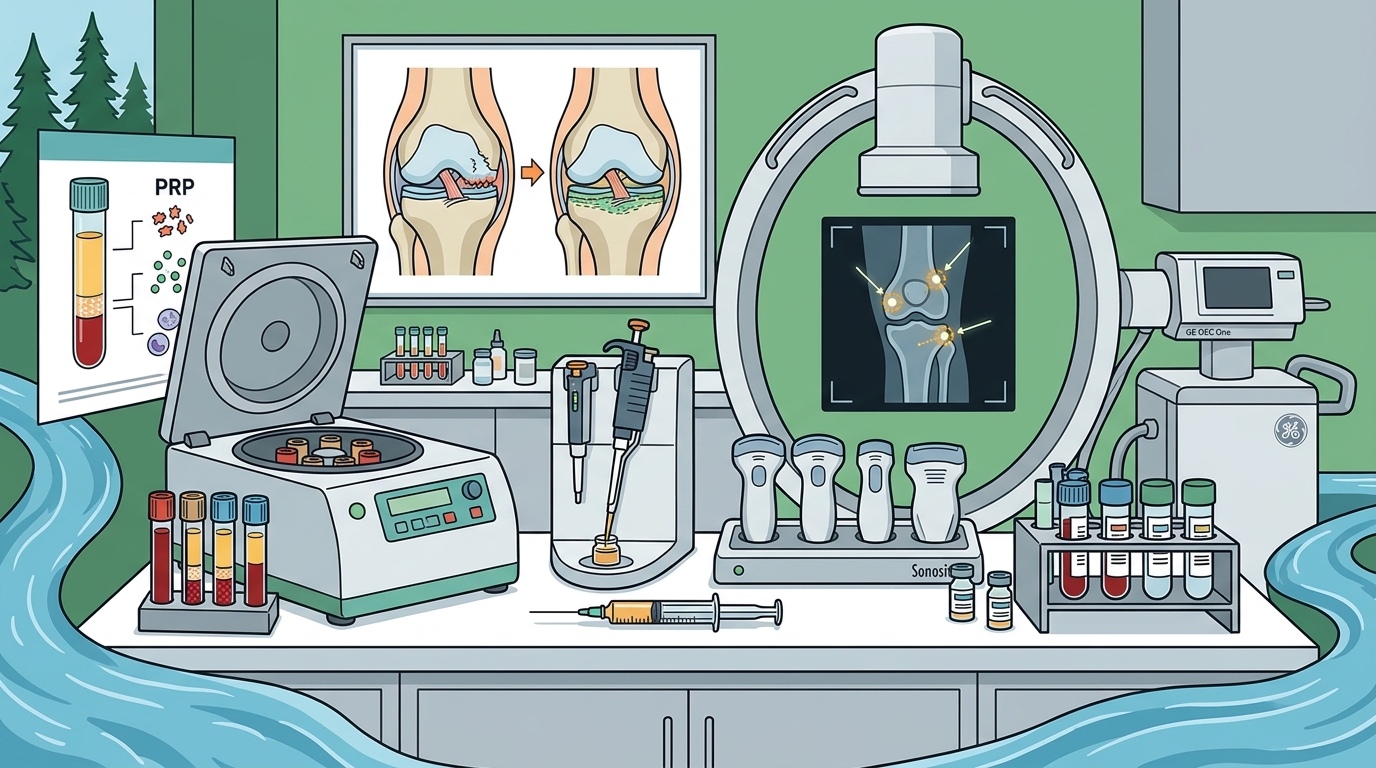
Platelet-rich plasma (PRP) injections offer a non-surgical approach to managing joint pain by leveraging the body's natural healing mechanisms. At Oregon Regenerative Medicine, we utilize advanced laboratory preparation to ensure optimal platelet concentrations for effective treatment. This method focuses on repairing damaged tissue rather than simply masking symptoms, providing a durable solution for patients seeking to avoid surgery or long-term medication use.
1. Accelerated Tissue Repair and Regeneration
PRP delivers concentrated growth factors that stimulate the body's innate repair cascade. The primary mechanism of PRP involves the release of bioactive proteins and growth factors from platelets. These factors activate stem cells and fibroblasts, promoting the synthesis of new collagen and cartilage. This biological response helps restore structural integrity to damaged joints and ligaments. according to Platelet rich plasma
2. Long-Lasting Pain Relief
Unlike temporary numbing agents, PRP provides sustained pain reduction over months or years. Clinical studies indicate that PRP offers more sustained medium and long-term pain relief compared to corticosteroid injections. By addressing the underlying cause of pain through tissue repair, patients often experience a gradual but permanent decrease in discomfort. This makes PRP a viable alternative for those who find that steroid injections only provide short-term relief.
3. Reduced Inflammation and Swelling
PRP modulates the inflammatory response to reduce joint swelling and stiffness. The growth factors in PRP help balance pro-inflammatory and anti-inflammatory cytokines. This modulation reduces the chronic inflammation that contributes to joint pain and limited mobility. As inflammation subsides, patients typically notice an improvement in their range of motion and daily comfort. according to The use of
4. Improved Joint Function and Mobility
Restoring tissue health directly translates to better functional outcomes and mobility. As the joint tissue heals, the mechanical stability of the joint improves. This allows patients to resume activities of daily living, such as walking, climbing stairs, and playing sports, with less pain. Enhanced function is a critical goal for regenerative medicine, aiming to restore quality of life rather than just manage symptoms.
5. Safety Profile with Minimal Side Effects
Using autologous blood eliminates the risk of allergic reactions or rejection. Because PRP is derived from the patient's own blood, the risk of adverse reactions is exceedingly low. The platelets themselves also possess antimicrobial properties, which further reduces the risk of infection. This safety profile makes PRP an attractive option for patients who are hesitant about surgical interventions or synthetic fillers.
6. Avoidance of Surgical Joint Replacement
PRP serves as a bridge therapy that can delay or avoid the need for arthroplasty. For patients with early to moderate osteoarthritis, PRP can help preserve the native joint. By stimulating cartilage repair and reducing degeneration, PRP may extend the functional life of the joint. This is particularly beneficial for younger patients who wish to avoid the long-term implications of metal-on-metal or metal-on-plastic joint replacements.
7. Cost-Effectiveness Compared to Surgery
Non-surgical regenerative therapies are generally less expensive than major orthopedic surgeries. While costs vary, PRP injections are a fraction of the price of total joint replacement. Additionally, the reduced downtime associated with PRP means patients can return to work and daily activities faster. This economic advantage, combined with the potential to avoid surgery, makes PRP a financially prudent choice for many patients.
Choosing the Right Treatment
When selecting a treatment for joint pain, consider the severity of your condition and your long-term goals. If you are experiencing chronic pain and have exhausted conservative options, PRP may be a suitable next step. It is essential to consult with a specialist who can accurately diagnose the source of your pain and determine if you are a good candidate for regenerative therapy.
Frequently Asked Questions
How many PRP injections are typically needed?
Most patients require a series of three injections, spaced one month apart. However, the optimal number can vary depending on the specific condition and individual response. Some patients may benefit from additional maintenance injections after the initial course.
Does PRP work for all types of joint pain?
PRP is most effective for conditions involving tissue damage, such as osteoarthritis, tendinopathy, and ligament sprains. It is less effective for conditions primarily caused by nerve compression or severe bone-on-bone arthritis without any remaining cartilage. A proper diagnosis is crucial to determine eligibility.
How long does it take to see results from PRP?
Patients often begin to notice improvements in pain and function within two to four weeks. However, the full regenerative process takes time, and maximum benefits may not be apparent until three to six months after the final injection.
Is PRP safe for people with diabetes or other chronic conditions?
PRP is generally safe for most patients, including those with chronic conditions. However, individuals with active infections, bleeding disorders, or certain autoimmune conditions may not be candidates. A thorough medical history review is necessary before treatment.
Can I take NSAIDs before or after PRP injections?
No, you should avoid NSAIDs like ibuprofen or naproxen for at least five days before and after treatment. These medications inhibit platelet function and can significantly reduce the effectiveness of the PRP. Acetaminophen is typically permitted for pain management during this period.
Next Steps
If you are ready to explore non-surgical options for your joint pain, schedule a consultation with the specialists at Oregon Regenerative Medicine. Our team will evaluate your condition and determine if PRP therapy is the right fit for your recovery goals.