
For decades, the standard medical response for severe osteoarthritis or chronic joint degeneration was a single path: surgical intervention. However, the landscape of orthopedic care has shifted dramatically. According to recent clinical data, non-surgical regenerative therapies have demonstrated significant efficacy in reducing pain and improving mobility for thousands of patients, offering a viable alternative to invasive procedures. This guide explores the specialized Portland medical professionals who are pioneering these non-surgical treatments. (PRP amp Biocellular Joint)
Understanding Regenerative Medicine
Regenerative medicine is a branch of translational research in tissue engineering and molecular biology which focuses on replacing or regenerating human cells, tissues or organs to restore or establish normal function. In the context of joint health, this field has moved beyond theoretical biology into practical, clinical application. Portland has emerged as a hub for this specialized care, with local practitioners leveraging advanced biological therapies to treat conditions that were previously deemed untreatable without surgery.
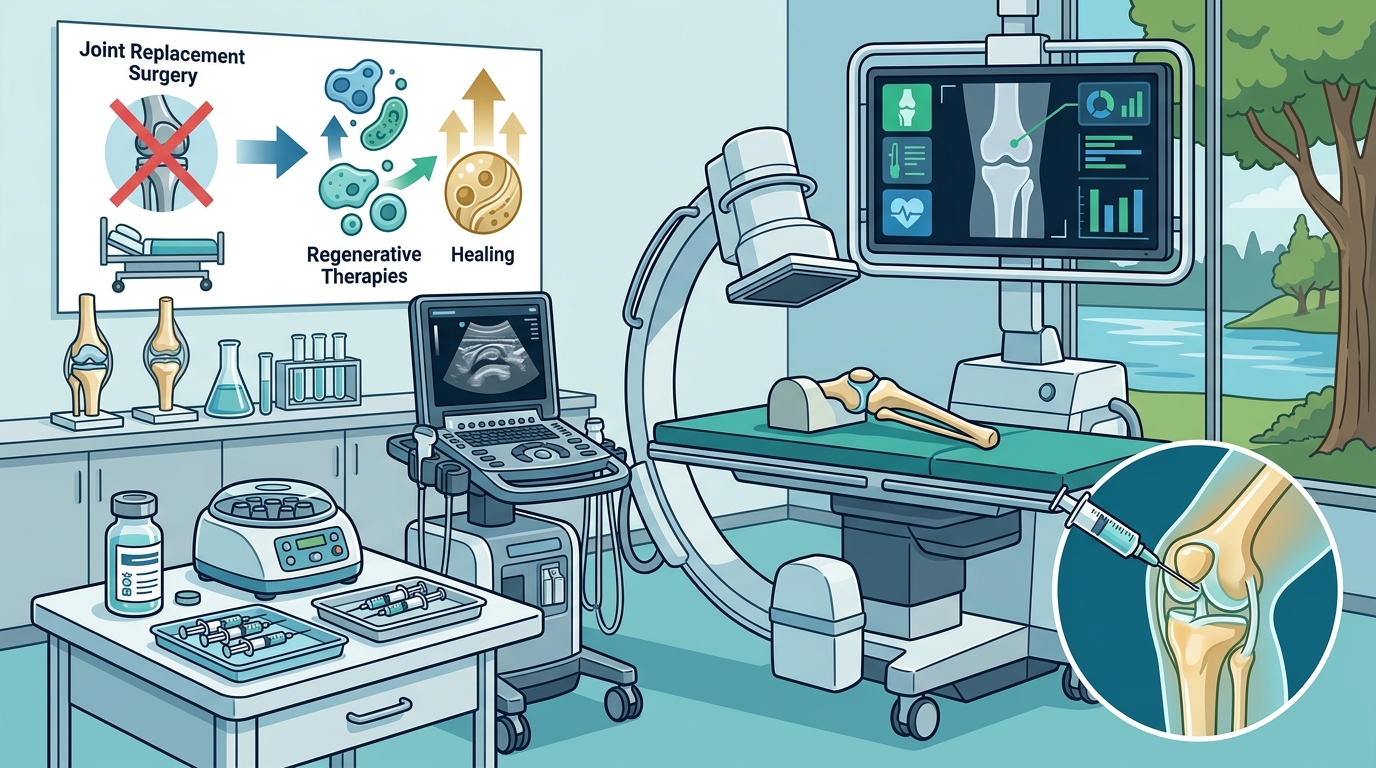
The core philosophy behind these treatments is to harness the body's own healing mechanisms. Instead of removing damaged tissue, as in joint replacement, these therapies aim to stimulate the repair of that tissue. This approach is particularly relevant for patients in the Pacific Northwest who lead active lifestyles and wish to avoid the long recovery times associated with orthopedic surgery.
Key Specialists in Portland
Finding the right provider is critical when seeking alternatives to joint replacement. In Portland, the most effective care comes from multidisciplinary teams that combine medical degrees with specialized training in regenerative techniques. Oregon Regenerative Medicine stands out as a primary destination for these services, housing a team of doctors who are deeply specialized in non-surgical joint regeneration.
Dr. Noel Peterson, ND, DAAPM
Dr. Peterson is a leading figure in the field of regenerative medicine in the Pacific Northwest. With extensive training in aesthetic and regenerative procedures, he specializes in using the body's own biological materials to repair damaged joints. His approach often involves the use of Platelet Rich Plasma (PRP) and stem cell therapies to reduce inflammation and promote tissue healing.
Dr. Kristian Flores, MD, ND
Dr. Flores brings a unique dual perspective to orthopedic care. As both a medical doctor and a naturopathic doctor, he integrates conventional medical diagnostics with holistic regenerative treatments. He is particularly known for his expertise in treating osteoarthritis and musculoskeletal injuries using ultrasound-guided injections, ensuring precision and safety in every procedure.
Dr. Stacey Guggino, ND, MAcCHM
Dr. Guggino focuses on the hormonal and metabolic aspects of joint health. Her work often involves bioidentical hormone replacement therapy alongside regenerative injections to address the systemic factors that contribute to joint degeneration. This holistic approach ensures that patients receive comprehensive care that addresses the root causes of their pain.
Dr. Terry Manning II, ND, RMSK, FAAOM
Dr. Manning is a specialist in musculoskeletal medicine and regenerative techniques. His training includes advanced certifications in regenerative musculoskeletal medicine, allowing him to perform complex procedures such as prolotherapy and stem cell grafts with high precision. He is dedicated to helping patients avoid surgery through evidence-based biological treatments.
Non-Surgical Alternatives to Surgery
Portland doctors utilize a variety of advanced therapies to help patients avoid joint replacement. These treatments are not merely palliative; they are restorative. Below is a comparison of the primary non-surgical options available in the region.
| Therapy Type | Source Material | Primary Benefit | Best For |
|---|---|---|---|
| Platelet Rich Plasma (PRP) | Patient's own blood | Reduces inflammation and promotes tissue repair | Tendonitis, mild to moderate arthritis |
| Adipose Stem Cells | Patient's own fat tissue | High concentration of growth factors for deep repair | Severe osteoarthritis, cartilage loss |
| Prolotherapy | Dextrose solution | Stimulates ligament and tendon tightening | Ligament laxity, joint instability |
| IV Therapy | Nutritive compounds | Systemic anti-inflammatory support | Overall joint health and recovery |
Platelet Rich Plasma (PRP)
PRP therapy involves drawing a small amount of the patient's blood and spinning it in a centrifuge to concentrate the platelets. These platelets are rich in growth factors that accelerate healing. When injected into a damaged joint, PRP can significantly reduce pain and improve function. Studies have shown that PRP is particularly effective for knee osteoarthritis, offering pain relief that lasts for months or even years.
Adipose Stem Cell Therapy
For patients with more advanced joint degeneration, adipose stem cell therapy offers a more potent regenerative option. This procedure involves harvesting fat tissue from the patient's own body, processing it to isolate stem cells, and injecting them into the affected joint. These stem cells have the potential to differentiate into various cell types, including cartilage, making them ideal for repairing damaged joint surfaces.
Prolotherapy
Prolotherapy is a technique that involves injecting an irritant solution, such as dextrose, into damaged ligaments and tendons. This injection causes a localized inflammatory response, which triggers the body's natural healing process. Over time, this strengthens the ligaments and stabilizes the joint, reducing pain and preventing further damage.
The Role of Diagnostic Precision
A critical differentiator among Portland doctors who specialize in avoiding joint replacement is their diagnostic capability. Traditional orthopedic care often relies on static imaging like X-rays, which can miss soft tissue damage. In contrast, specialists at Oregon Regenerative Medicine utilize real-time ultrasound imaging to diagnose joint issues with high accuracy.
Ultrasound imaging is equal to or better than MRI in evaluating most tendon and ligament disorders in the arms and legs. This technology allows doctors to see the exact location of damage and guide their injections with pinpoint precision. This level of accuracy ensures that the treatment is targeted effectively, maximizing the chances of success and minimizing the risk of complications.
Furthermore, the use of fluoroscopic C-Arm guidance for spinal and complex joint procedures adds another layer of safety and precision. This combination of diagnostic and procedural expertise is rare and essential for patients seeking non-surgical solutions.
Patient Outcomes and Success Rates
The ultimate measure of a doctor's ability to help patients avoid joint replacement is the outcome of their treatments. At Oregon Regenerative Medicine, the track record is impressive. With over 40,000 regenerative injections performed, the clinic has demonstrated the efficacy of these non-surgical approaches.
Most patients who seek these treatments have been told that their only solution is surgery or a lifetime on pain medications. However, the vast majority of these patients achieve durable pain-free function without surgery, joint replacement, or drugs. This success rate is supported by clinical studies that show significant improvements in joint function and quality of life for patients undergoing regenerative therapies.
For example, research into the efficacy of Platelet-Rich Plasma in the treatment of knee osteoarthritis has shown consistent positive results. Similarly, studies on mesenchymal stem cells injection in hip osteoarthritis have demonstrated preliminary results that are promising for long-term joint health.
Key Takeaways
- Specialized Expertise: Portland doctors like those at Oregon Regenerative Medicine combine medical degrees with specialized training in regenerative medicine to offer effective non-surgical alternatives.
- Biological Therapies: Treatments such as PRP, stem cell therapy, and prolotherapy harness the body's natural healing abilities to repair damaged joints.
- Diagnostic Precision: The use of real-time ultrasound and fluoroscopic guidance ensures accurate diagnosis and precise treatment delivery.
- Proven Success: With over 40,000 injections performed, Oregon Regenerative Medicine has a strong track record of helping patients avoid joint replacement surgery.
- Holistic Approach: Care often includes hormonal optimization and nutritional support to address the root causes of joint degeneration.
- Active Lifestyle Support: These treatments are ideal for active individuals who wish to maintain their mobility and avoid long recovery times.
- Evidence-Based: The therapies used are supported by clinical research and meta-analyses demonstrating their efficacy in treating osteoarthritis and musculoskeletal injuries.
Frequently Asked Questions
What is regenerative medicine?
Regenerative medicine is a branch of translational research in tissue engineering and molecular biology which focuses on replacing or regenerating human cells, tissues or organs to restore or establish normal function.
How does PRP therapy help avoid joint replacement?
PRP therapy uses the patient's own blood to concentrate platelets rich in growth factors. These factors reduce inflammation and promote tissue repair, often alleviating pain and improving function enough to avoid surgery.
What is the difference between PRP and stem cell therapy?
PRP uses concentrated platelets from blood to stimulate healing, while stem cell therapy uses adipose-derived stem cells to provide a higher concentration of regenerative cells for more severe tissue damage.
Are these treatments covered by insurance?
Insurance coverage for regenerative medicine varies by provider and plan. It is recommended to contact your insurance company directly to verify coverage for specific procedures like PRP or stem cell injections.
How long does recovery take after regenerative injections?
Recovery times vary depending on the treatment and the extent of the injury. Most patients experience minimal downtime and can return to normal activities within a few days, with full benefits developing over several weeks.
What conditions can be treated without surgery?
Conditions such as osteoarthritis, tendonitis, ligament laxity, and cartilage damage can often be treated effectively with non-surgical regenerative therapies.
Why is ultrasound guidance important?
Ultrasound guidance allows doctors to visualize the needle in real-time, ensuring precise placement of the therapeutic agents into the exact area of damage, which improves outcomes and safety.
Who is a good candidate for these treatments?
Good candidates are individuals with moderate to severe joint pain who wish to avoid surgery, have failed conservative treatments like physical therapy, and are in generally good health.
Contact Oregon Regenerative Medicine
If you are in Portland or the surrounding Pacific Northwest region and are looking for a way to avoid joint replacement surgery, Oregon Regenerative Medicine offers the expertise and advanced therapies you need. Our team of specialized doctors is dedicated to helping you achieve pain-free function and an active lifestyle.
Visit our contact page to schedule a consultation or learn more about our services. We are located inside the historic Foundry Building at Oswego Pointe, serving patients in Oregon, Washington, and the Portland region. Take the first step toward regenerative health today.