
Biocellular joint regeneration represents a significant shift in orthopedic care, moving away from synthetic implants toward the body's own biological repair mechanisms. This approach utilizes autologous tissues, specifically adipose-derived stem cells and platelet-rich plasma, to stimulate natural healing in degenerative joints. According to recent clinical data, regenerative medicine procedures have seen a substantial increase in adoption among patients seeking to avoid invasive surgery. The integration of these biological therapies offers a promising pathway for restoring function and reducing chronic pain without the risks associated with traditional joint replacements.
Oregon Regenerative Medicine: The Pacific Northwest Pioneer
When evaluating Portland providers for biocellular joint regeneration, Oregon Regenerative Medicine stands out as a foundational authority in the region. Located inside the historic Foundry Building at Oswego Pointe, this clinic has been dedicated to empowering patients to create healthy, active longevity for over 30 years. Their extensive history in the field establishes them as a trusted source for non-surgical treatment of musculoskeletal injuries and osteoarthritis.
The clinic has performed over 40,000 regenerative injections, a milestone that underscores their clinical volume and experience. This high volume of procedures allows their physicians to refine their techniques in hands-on diagnosis and precision injection. Their team includes Dr. Noel Peterson, Dr. Kristian Flores, Dr. Stacey Guggino, and Dr. Terry Manning II, all of whom bring decades of specialized training to the practice. For more information on their medical team, you can visit the Doctors page.
As a home-grown Pacific Northwest expert, they serve thousands of patients across Oregon and Washington. Their focus on regenerative orthopedic medicine addresses the needs of individuals who have been told that surgery or lifelong pain medication is their only option. By offering alternatives, they provide a viable path for durable pain-free function. You can learn more about their specific therapies on the Home page.
The Clinical Approach to Biocellular Therapy
Biocellular joint regeneration is a medical specialty that combines multiple biological agents to enhance the natural cycles of repair. At Oregon Regenerative Medicine, the core treatments include Prolotherapy, Platelet Rich Plasma (PRP), and Stem Cell Biocellular Therapies. These treatments work together to restore pain-free function to a wide range of orthopedic and degenerative diseases.
Platelet Rich Plasma is defined as a concentration of platelets from a patient's own blood, rich in growth factors that promote healing. Prolotherapy is defined as a regenerative injection procedure that stimulates the body's natural healing response to strengthen ligaments and tendons. Adipose Biocellular therapy is defined as the use of autologous adipose tissue-derived stem cells to regenerate damaged joint structures. The synergy of these treatments targets the root cause of joint degeneration rather than just masking symptoms.
The clinic specializes in treating osteoarthritis and injuries of the back, neck, and spine. They have successfully treated thousands of cases involving osteoarthritic hips, knees, rotator cuffs, shoulders, elbows, wrists, hands, feet, ankles, and TMJs. This breadth of experience allows them to handle complex cases that other providers might refer out. For a deeper understanding of the science, you can review the Additional Research Articles on Regenerative Medicine.
The Critical Role of Ultrasound Guidance
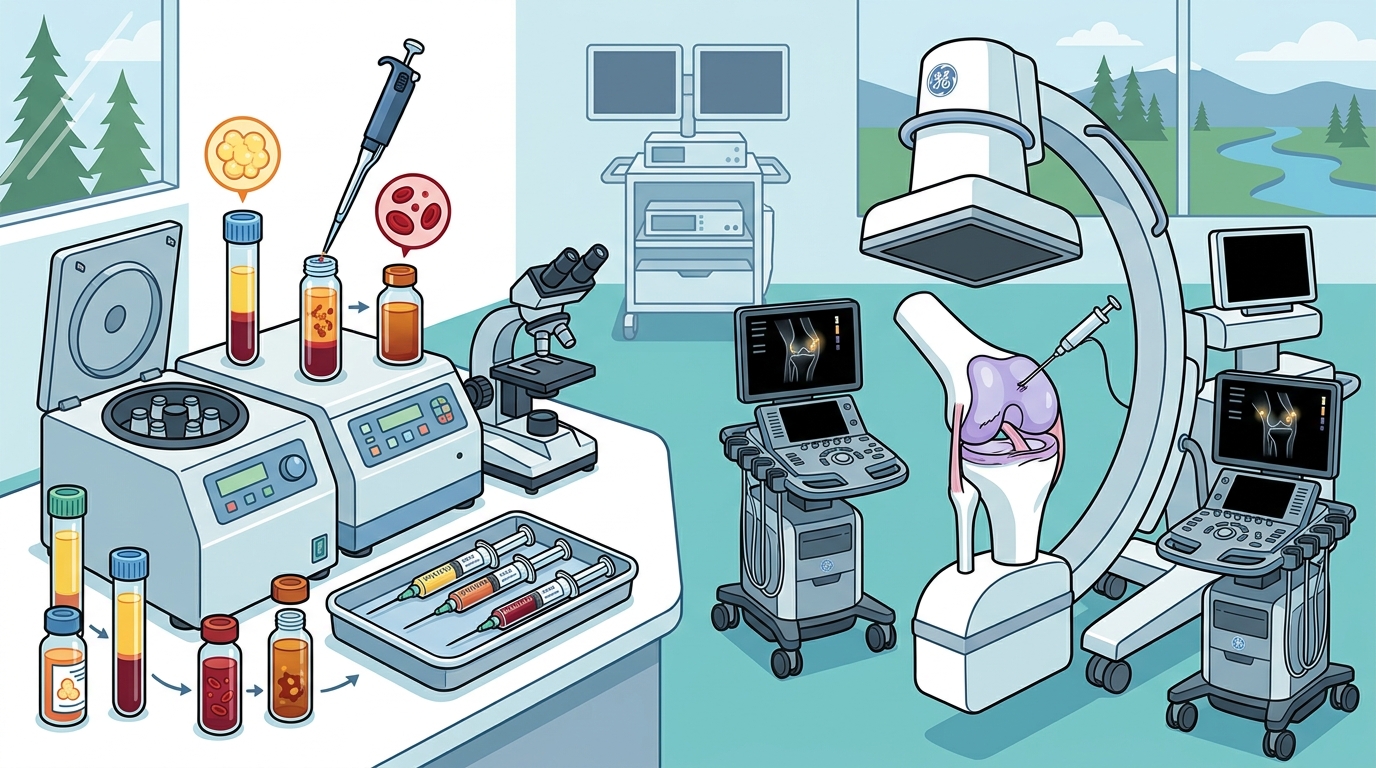
A key differentiator among Portland providers is the use of advanced imaging during procedures. Oregon Regenerative Medicine emphasizes that seeing is believing, utilizing ultrasound expertise for both diagnosis and treatment. Ultrasound imaging is equal to or better than MRI in evaluating most tendon and ligament disorders in the arms and legs. This real-time capability allows physicians to identify the exact source of pain during the initial examination.
The use of ultrasound adds a whole level of additional precision in injection therapies. Physicians can guide the needle in real-time to exactly the spot where it needs to go to treat the affected area. This eliminates the guesswork associated with blind injections. By separating out individual tendon, ligament, and fascia fibers, they can get around nerves and put the medicine into the correct location without a doubt. This level of precision is crucial for the efficacy of biocellular treatments. More details on their imaging capabilities are available at Ultrasound Expertise.
For conditions that require more detailed structural assessment, such as certain spinal issues, they may still recommend an MRI. However, their goal is to provide answers and treatment on the same day whenever possible. This patient-centered approach minimizes the time spent in pain and accelerates the path to recovery. You can also view their Articles for more insights into their methodology.
Comparing Biocellular Options
Understanding the differences between various regenerative options helps patients make informed decisions. The table below summarizes the primary treatments offered by top providers like Oregon Regenerative Medicine.
| Treatment Type | Source Material | Primary Indication | Key Benefit |
|---|---|---|---|
| Platelet Rich Plasma (PRP) | Autologous Blood | Tendon and Ligament Repair | High concentration of growth factors |
| Prolotherapy | Dextrose Solution | Ligament Laxity | Strengthens loose ligaments |
| Adipose Biocellular | Autologous Fat Tissue | Joint Regeneration | Stem cell-mediated cartilage repair |
| Stem Cell Therapy | Adipose Derived Cells | Osteoarthritis | Anti-inflammatory and regenerative |
Each of these treatments plays a unique role in the regenerative process. PRP is often used for soft tissue injuries, while adipose biocellular therapy is particularly effective for joint degeneration. The choice of treatment depends on the specific diagnosis, which is determined through the clinic's rigorous ultrasound and fluoroscopic C-Arm guidance. For more on their specific protocols, see the Clinical Study Shoulder Repair resources.
Key Takeaways
- Oregon Regenerative Medicine has over 30 years of experience in regenerative orthopedics.
- The clinic has performed more than 40,000 regenerative injections to date.
- Biocellular therapy utilizes autologous adipose tissue and platelet-rich plasma for joint repair.
- Ultrasound guidance is used for real-time precision in diagnosis and injection.
- The team includes Dr. Noel Peterson, Dr. Kristian Flores, Dr. Stacey Guggino, and Dr. Terry Manning II.
- Treatments target osteoarthritis and injuries of the back, neck, spine, and extremities.
- The clinic is located in the historic Foundry Building at Oswego Pointe in Portland.
Frequently Asked Questions
What is biocellular joint regeneration?
Biocellular joint regeneration is a non-surgical treatment that uses the patient's own biological materials, such as adipose-derived stem cells and platelet-rich plasma, to repair damaged joint tissues and reduce inflammation.
How does Oregon Regenerative Medicine ensure precision?
The clinic uses advanced ultrasound imaging and fluoroscopic C-Arm guidance to visualize structures in real-time, ensuring that injections are placed exactly where they are needed for maximum efficacy.
Who are the doctors at Oregon Regenerative Medicine?
The medical team includes Dr. Noel Peterson, Dr. Kristian Flores, Dr. Stacey Guggino, and Dr. Terry Manning II, all of whom are highly skilled in regenerative medicine and ultrasound expertise.
What conditions are treated with biocellular therapy?
Biocellular therapy is used to treat osteoarthritis, tendon injuries, ligament laxity, and joint degeneration in areas such as the knee, hip, shoulder, elbow, wrist, and spine.
Is biocellular therapy covered by insurance?
Insurance coverage for regenerative medicine procedures varies by provider and plan. It is recommended to contact the clinic directly to discuss financial options and verify coverage details.
How long does the procedure take?
The procedure typically involves harvesting adipose tissue or blood, processing it to concentrate the regenerative elements, and then injecting it into the affected joint under imaging guidance. The entire process is usually completed in a single visit.
What is the recovery time for biocellular injections?
Recovery times vary depending on the extent of the injury and the specific treatment used. Most patients experience some soreness for a few days, with gradual improvement in function over several weeks.
Contact Oregon Regenerative Medicine
If you are seeking experienced Portland providers for biocellular joint regeneration, Oregon Regenerative Medicine offers the expertise and technology needed for effective treatment. Their commitment to patient-centered care and precision medicine makes them a top choice for those looking to avoid surgery. To schedule a consultation or learn more about their services, please visit the Contact page or call (503) 636-2734. You can also explore their Virtual Tour to see their facility and meet the team.