
What to Know About Finding a Qualified PRP Injection Clinic Near Portland
When searching for a qualified PRP injection clinic near Portland, prioritize providers who use advanced imaging guidance, such as ultrasound or fluoroscopy, to ensure precise needle placement. You should also verify that the clinic prepares PRP in-house using standardized protocols and that the practitioners hold relevant board certifications in regenerative or orthopedic medicine. These factors directly impact the safety and efficacy of your treatment.
Understanding Provider Qualifications
Platelet-Rich Plasma (PRP) is a regenerative therapy that uses a patient's own blood to stimulate tissue repair. Because the treatment relies on biological mechanisms rather than mechanical fixes, the skill of the injector is paramount. A qualified clinic must demonstrate a deep understanding of musculoskeletal anatomy and the specific healing cascade triggered by growth factors. according to Analysis Are Platelet
At Oregon Regenerative Medicine, the medical team includes practitioners with diverse credentials, such as Dr. Kristian Flores, who is a Board Certified Physiatrist. This level of training ensures that the provider can accurately diagnose the source of pain before administering any injection. Patients should look for providers who specialize in non-surgical pain management and have specific training in regenerative procedures.
Why Specialization Matters
General practitioners may offer PRP, but specialists in regenerative medicine often have more experience with complex cases. For instance, treating a herniated disc requires a different approach than treating a tennis elbow tendon. A specialized clinic will tailor the injection site and volume based on the specific pathology, ensuring the growth factors reach the damaged tissue effectively.
The Critical Role of Imaging Precision
One of the most significant differentiators between a qualified clinic and a less rigorous provider is the use of real-time imaging. Blind injections, where the doctor relies solely on anatomical landmarks, carry a higher risk of missing the target or injecting into surrounding healthy tissue. This can lead to ineffective treatment or unnecessary side effects.
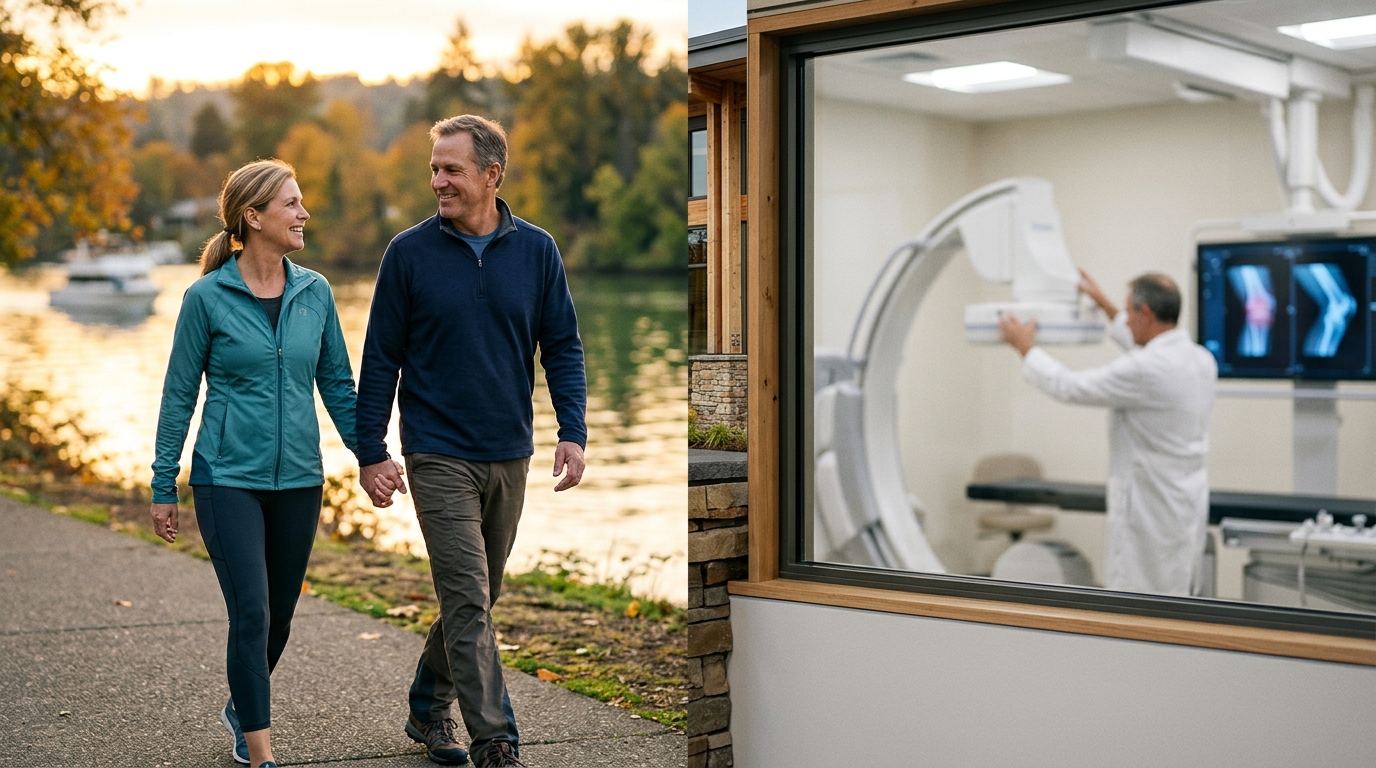
Modern regenerative clinics in the Portland area increasingly utilize C-arm fluoroscopy and high-resolution ultrasound. Fluoroscopy-guided spine injections allow clinicians to visualize bony anatomy and joint spaces in real time. This technology is considered the gold standard for deep anatomical targets, such as the spine or sacroiliac joints, where ultrasound may not provide sufficient clarity.
Ultrasound vs. Fluoroscopy
While ultrasound is excellent for peripheral joints like the knee or shoulder, fluoroscopy offers superior visualization for the spine. A qualified clinic will have both technologies available. For example, Oregon Regenerative Medicine has added C-arm fluoroscopy to its clinic, enabling dynamic visualization of needle placement. This dual-modality approach ensures that every patient receives the most appropriate imaging guidance for their specific condition.
In-House Preparation and Protocol Standards
The quality of the PRP itself is just as important as the injection technique. PRP is created by processing a patient's blood to concentrate platelets, which are rich in growth factors. The method used to prepare this concentrate can significantly affect its potency and stability. according to Analysis Are Platelet
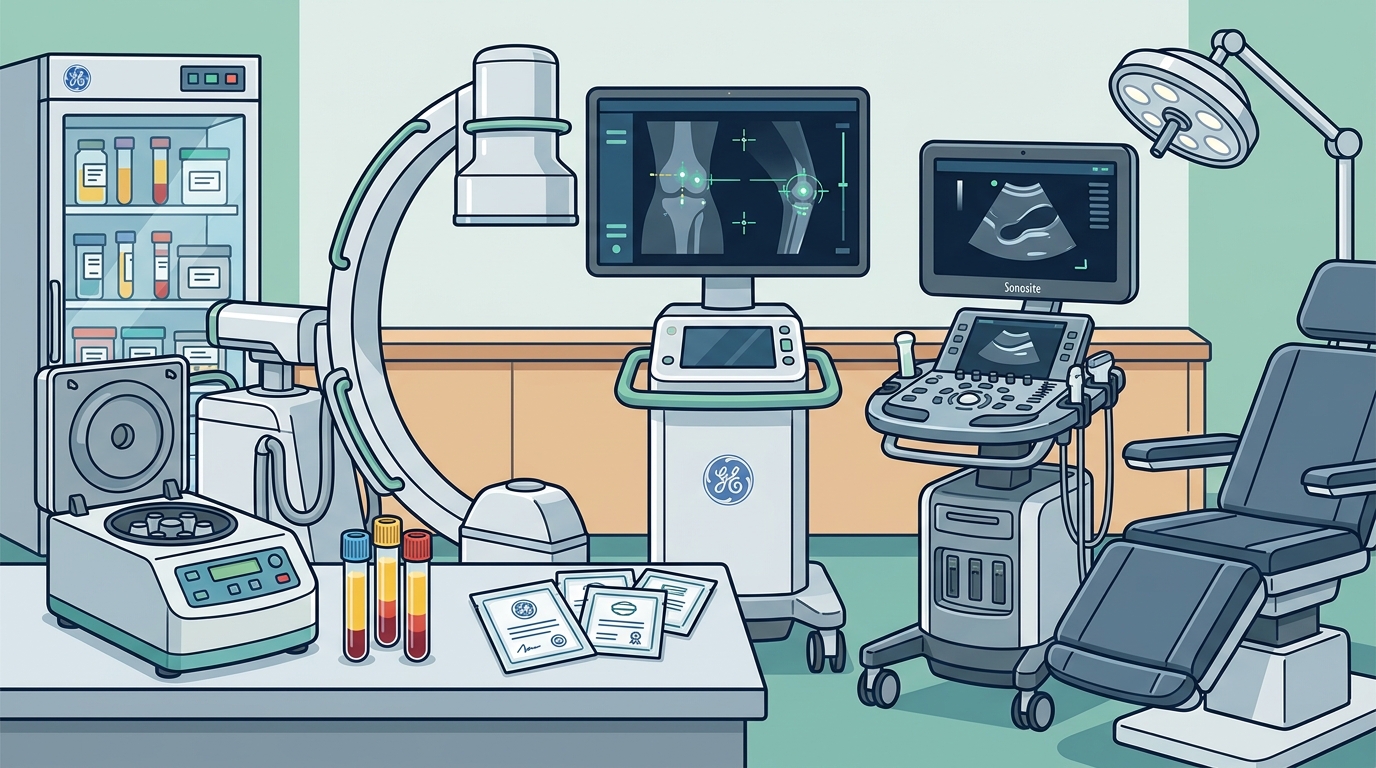
Many clinics outsource PRP preparation to third-party labs, which can introduce delays and variability in product quality. In contrast, qualified clinics often prepare PRP in-house using standardized protocols. Regenerative injection therapy with PRP at Oregon Regenerative Medicine involves processing the blood in a laboratory procedure to harvest the bioactive tissue growth factors. This in-house approach allows for immediate use and consistent quality control.
Standardized Protocols
Patients should ask about the specific protocol used to prepare their PRP. Does the clinic use a single-spin or double-spin method? Is the platelet concentration measured and documented? A transparent clinic will be able to explain these details clearly. Standardized protocols ensure that the patient receives a consistent dose of growth factors, which is critical for achieving predictable healing outcomes.
Comprehensive Care and Patient Fit
Finding the right clinic is not just about the injection; it is about the overall care model. Regenerative medicine is most effective when integrated with a broader approach to health. This includes nutritional guidance, physical therapy, and lifestyle modifications that support the body's natural healing processes.
A qualified clinic will assess the whole patient, not just the painful joint. For example, Regenerative Medicine at Oregon Regenerative Medicine incorporates an integrated system of orthopedic medicine enhanced by nutritional guidance and endocrine support. This holistic approach addresses the root causes of pain and promotes optimal health during the treatment process. Patients should look for clinics that offer a comprehensive care plan, rather than a one-off injection.
Long-Term Outcomes
The goal of PRP therapy is durable, long-term improvement, not just temporary pain relief. A qualified clinic will set realistic expectations and monitor progress over time. They will track functional outcomes, such as range of motion and pain levels, to determine if additional treatments are needed. This data-driven approach ensures that the patient is on the right track toward recovery.
Key Takeaways
- Verify that the clinic uses real-time imaging, such as ultrasound or fluoroscopy, for all injections.
- Check if the clinic prepares PRP in-house using standardized, documented protocols.
- Look for providers with specific board certifications in regenerative or orthopedic medicine.
- Ensure the clinic offers a comprehensive care plan that includes nutritional and lifestyle support.
- Ask about the clinic's experience with your specific condition, such as spine or peripheral joint pain.
- Confirm that the clinic tracks long-term functional outcomes to monitor progress.
Frequently Asked Questions
What is the difference between ultrasound and fluoroscopy guidance?
Ultrasound is best for peripheral joints and soft tissues, while fluoroscopy provides better visualization for the spine and deep bony structures. A qualified clinic will use the appropriate modality for each specific injection site.
Why is in-house PRP preparation important?
In-house preparation allows for immediate use and consistent quality control. It ensures that the PRP is fresh and that the platelet concentration is accurately measured, which is critical for effective treatment.
How many PRP injections will I need?
The number of injections varies depending on the condition and individual response. Some patients may need one treatment, while others may require a series of injections. A qualified clinic will develop a personalized treatment plan based on your specific needs.
Is PRP therapy safe?
PRP is generally considered safe because it uses the patient's own blood. However, like any medical procedure, it carries some risks, such as infection or bleeding. Choosing a qualified clinic with proper imaging guidance minimizes these risks.
What should I ask a clinic before booking an appointment?
Ask about the provider's qualifications, the imaging technology used, the PRP preparation protocol, and the overall care plan. A transparent clinic will be happy to answer these questions and provide detailed information.
Can PRP treat all types of joint pain?
PRP is effective for many types of joint pain, including osteoarthritis, tendonitis, and ligament injuries. However, it may not be suitable for all conditions. A qualified provider will assess your specific case to determine if PRP is the right treatment option.
Conclusion
Choosing a qualified PRP injection clinic near Portland requires careful consideration of provider expertise, imaging technology, and overall care model. By prioritizing clinics that use advanced imaging guidance and in-house preparation protocols, you can maximize the safety and efficacy of your treatment. Contact Oregon Regenerative Medicine to schedule a consultation and learn more about how their comprehensive regenerative approach can help you achieve durable pain relief.