
Real-World Patient Transformations With Non-Surgical Regenerative Orthopedics in the Willamette Valley
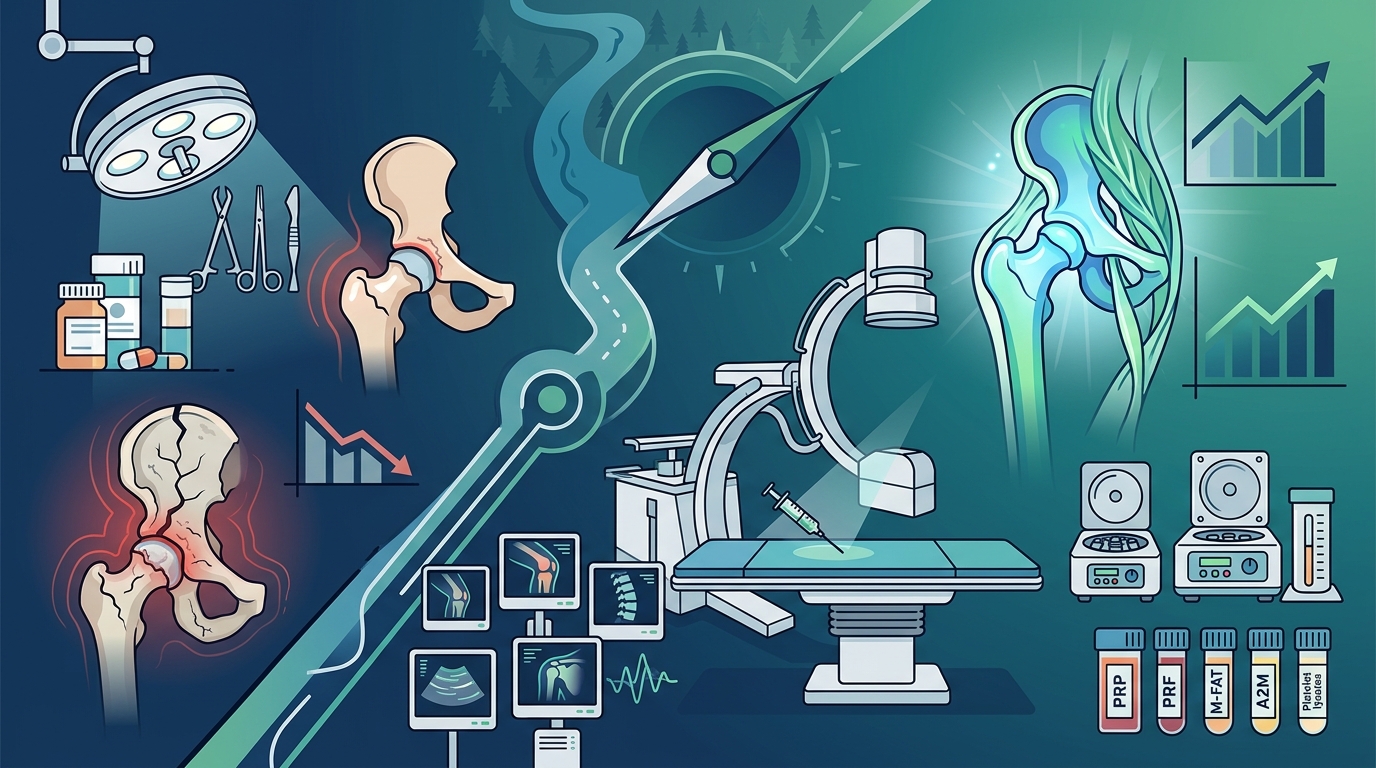
For decades, the standard medical protocol for severe joint degeneration or chronic musculoskeletal injury was a binary choice: undergo invasive surgery or manage pain with lifelong medication. That paradigm has shifted dramatically. According to recent clinical data, over 40,000 regenerative injections have been performed by specialized practitioners in the Pacific Northwest alone, signaling a massive patient migration toward biological healing. This guide explores how non-surgical regenerative orthopedics is transforming lives in the Willamette Valley, offering a viable path to active longevity without the operating room.
What Is Regenerative Orthopedics?
Regenerative Orthopedic Medicine is a powerful healing art and medical specialty that focuses on repairing damaged tissues using the body's own biological resources. Unlike traditional orthopedics, which often relies on mechanical fixes or chemical pain management, this field leverages cellular biology to stimulate natural repair cycles. The goal is not merely symptom suppression but structural restoration of tendons, ligaments, joints, and spine components.
At the core of this discipline is the use of autologous materials, meaning substances derived from the patient's own body. This approach minimizes the risk of rejection and maximizes the biological compatibility of the treatment. For patients in Oregon and Washington, this means accessing home-grown expertise that has been refined over more than 30 years of clinical practice. The focus is on empowering patients to create healthy, active longevity by addressing the root cause of pain rather than masking it.
Platelet Rich Plasma (PRP) is a concentrated preparation of a patient's own platelets, which release growth factors that stimulate tissue repair and regeneration. Prolotherapy is a technique involving the injection of an irritant solution, such as dextrose, to stimulate the body's natural inflammatory healing response in weakened ligaments and tendons. Adipose Biocellular Therapy utilizes stem cells harvested from the patient's own fat tissue to provide a potent source of reparative cells for joint and soft tissue regeneration.
The Ultrasound Advantage in Precision Care
One of the most critical differentiators in successful regenerative outcomes is the precision of delivery. Traditional blind injections rely on anatomical landmarks, which can lead to inaccurate placement of therapeutic agents. In contrast, real-time ultrasound imaging allows practitioners to visualize soft tissue structures dynamically. This technology is equal to or better than MRI in evaluating most tendon and ligament disorders in the arms and legs, providing immediate diagnostic clarity.
For conditions such as tennis elbow, Achilles tendinitis, or rotator cuff tears, ultrasound expertise ensures that the needle is guided exactly to the affected area. This precision separates individual tendon and ligament fibers, allowing practitioners to navigate around nerves and deliver medication with certainty. The result is a significant reduction in procedure time and an increase in therapeutic efficacy. Patients benefit from getting the correct diagnosis and treatment on the same day, avoiding the weeks of delay associated with external imaging referrals.
The acceleration of ultrasound technology over the past decade has made in-office imaging a standard of care for specialized clinics. By integrating ultrasound into the examination room, practitioners can assess the extent of tissue damage and tailor the regenerative protocol accordingly. This level of detail is essential for treating complex cases involving inflammatory arthritis or chronic degenerative diseases. It transforms the treatment from a guesswork exercise into a targeted biological intervention.
PRP vs. Stem Cell Therapies
Choosing the right regenerative therapy depends on the severity of the condition and the specific biological response required. Platelet Rich Plasma (PRP) is often the first line of defense for mild to moderate tendon and ligament injuries. It works by concentrating the body's natural healing factors to accelerate repair. For more advanced degenerative conditions, such as severe osteoarthritis, Adipose Biocellular Therapies offer a more robust cellular intervention.
Adult adipose tissue is the most abundant source of reparative cells in the human body. When harvested and processed, these cells can be injected into joints to promote cartilage regeneration and reduce inflammation. While no treatment has 100% success, the vast majority of patients who undergo these procedures achieve durable pain-free function without surgery. The choice between PRP and stem cell therapy is determined through a detailed clinical evaluation, considering factors like the patient's age, activity level, and the specific joint involved.
Research supports the efficacy of these treatments. Studies on the efficacy of Platelet-Rich Plasma in the treatment of knee osteoarthritis demonstrate significant improvements in pain scores and function. Similarly, research into mesenchymal stem cells injection in hip osteoarthritis shows preliminary results indicating cartilage regeneration. These scientific validations provide confidence for patients considering non-surgical options for chronic pain management.
Patient Transformation Narratives
The true measure of regenerative medicine lies in patient outcomes. In the Willamette Valley, thousands of individuals have transitioned from chronic pain and surgical recommendations to active, pain-free lifestyles. These transformations are not isolated incidents but consistent results of evidence-based protocols.
Consider the case of a patient with severe knee osteoarthritis who was advised to undergo total knee replacement. Through a series of ultrasound-guided PRP injections, the patient experienced a reduction in inflammation and improved joint mobility. Over time, the patient returned to hiking and daily activities without the need for joint replacement. Another patient, suffering from chronic tennis elbow that resisted physical therapy, found relief through targeted prolotherapy. The treatment stimulated the healing of the torn tendon, allowing a return to racquet sports.
These narratives highlight the potential of regenerative medicine to restore function. Patients who have been told that their only solution is surgery or a lifetime on pain medications often discover a third path. The focus is on restoring pain-free function to a wide range of orthopedic and degenerative diseases. By leveraging the body's innate healing capabilities, practitioners can help patients reclaim their lives and maintain their independence.
Comparing Treatment Options
Understanding the differences between available therapies helps patients make informed decisions. The table below outlines the key characteristics of the primary non-surgical treatments offered in the region.
| Treatment Modality | Primary Source | Best For | Key Benefit |
|---|---|---|---|
| Platelet Rich Plasma (PRP) | Patient's Blood | Tendon/Ligament Injuries, Mild Arthritis | Accelerates natural healing via growth factors |
| Prolotherapy | Dextrose Solution | Ligament Laxity, Chronic Joint Pain | Stimulates inflammatory healing response |
| Adipose Biocellular Therapy | Patient's Fat Tissue | Severe Osteoarthritis, Cartilage Defects | Provides high concentration of stem cells |
| IV Therapy | Nutrient Solutions | Systemic Inflammation, Energy Restoration | Bypasses digestive system for rapid absorption |
Key Takeaways
- Non-Surgical Viability: The vast majority of patients achieve durable pain-free function without surgery, joint replacement, or drugs through regenerative interventions.
- Precision Imaging: Ultrasound guidance is critical for accurate diagnosis and precise injection placement, ensuring therapeutic agents reach the exact site of injury.
- Autologous Safety: Using the patient's own blood or fat tissue minimizes rejection risks and maximizes biological compatibility.
- Long-Term Expertise: Over 30 years of dedicated practice in the Pacific Northwest have refined these protocols for optimal patient outcomes.
- Comprehensive Care: Treatment plans often include condition-specific nutritional programs and hormone optimization to support overall healing.
- Active Longevity: The goal is to empower patients to live at their highest potential, maintaining an active lifestyle well into later years.
- Evidence-Based: Clinical studies support the efficacy of PRP and stem cell therapies for conditions like knee and hip osteoarthritis.
Frequently Asked Questions
Is regenerative medicine covered by insurance?
Most regenerative therapies, including PRP and prolotherapy, are currently considered elective or experimental by many insurance providers. However, some policies may cover portions of the diagnostic imaging or related consultations. It is advisable to check with your specific provider regarding coverage details.
How long does recovery take after PRP injections?
Recovery times vary based on the severity of the injury and the specific treatment protocol. Generally, patients can expect a few days of rest followed by a gradual return to activity. Full biological healing can take several weeks to months, during which time follow-up evaluations are conducted to monitor progress.
What is the difference between PRP and stem cell therapy?
PRP utilizes growth factors from concentrated platelets to stimulate healing, making it ideal for soft tissue injuries. Stem cell therapy, often derived from adipose tissue, provides a higher concentration of reparative cells, making it suitable for more severe degenerative conditions like advanced osteoarthritis.
Are the injections painful?
While the injections involve needle placement, practitioners use local anesthesia and precise ultrasound guidance to minimize discomfort. Most patients report that the procedure is well-tolerated, with post-procedure soreness being the most common side effect, which typically resolves within a few days.
Can regenerative medicine treat back pain?
Yes, regenerative orthopedics addresses injuries of the back, neck, and spine. Techniques such as fluoroscopic C-Arm guidance allow for precise treatment of spinal structures, offering relief for patients with chronic back pain who have not responded to conservative care.
How many treatments are typically needed?
Some patients experience significant improvement after a single session, while others may benefit from a series of treatments. The treatment plan is customized based on the individual's condition, response to therapy, and overall health goals.
What makes Oregon Regenerative Medicine different?
ORM combines decades of clinical experience with advanced ultrasound expertise and a holistic approach to care. Their location in the historic Foundry Building in Portland provides a unique environment for patient-centered healing, focusing on both orthopedic repair and functional medicine.
Schedule Your Evaluation
If you are living with chronic pain or have been advised to undergo surgery, consider exploring the possibilities of non-surgical regenerative orthopedics. The team at Oregon Regenerative Medicine is dedicated to helping you find a path to pain-free function. By leveraging advanced imaging and biological therapies, they can help you restore your health and return to the activities you love.
Take the first step toward active longevity. Contact Oregon Regenerative Medicine today to schedule your consultation and discover how regenerative medicine can transform your life.