
How Regenerative Medicine Restores Joint Function Without Surgery
Regenerative medicine represents a paradigm shift in orthopedic care, moving away from symptom management toward actual tissue repair. According to recent clinical data, over 40,000 regenerative injections have been performed by specialized clinics in the Pacific Northwest alone, demonstrating the scalability and patient acceptance of these non-surgical interventions. This approach leverages the body's own biological resources to heal chronic injuries and degenerative conditions that traditional medicine often labels as untreatable without invasive procedures.
What Is Regenerative Medicine?
Regenerative medicine is a branch of translational research in tissue engineering and molecular biology which focuses on replacing or regenerating human cells, tissues or organs to restore or establish normal function. Unlike conventional pain management strategies that rely on anti-inflammatory drugs or temporary relief, this field aims to address the root cause of musculoskeletal degeneration.
The foundation of this medical specialty lies in the body's innate ability to heal itself. By concentrating specific biological components, such as platelets or stem cells, practitioners can amplify the natural healing response. This process is particularly effective for conditions that have failed to respond to physical therapy, rest, or standard pharmacological interventions. The goal is not merely to mask pain but to rebuild the structural integrity of tendons, ligaments, and cartilage.
At specialized centers like Oregon Regenerative Medicine, the focus is on precision and safety. The clinic has been dedicated to empowering patients to create healthy, active longevity for over 30 years. This long-standing commitment ensures that patients receive care based on decades of clinical experience rather than fleeting trends. The integration of advanced diagnostic tools with biological treatments creates a robust framework for recovery.
Core Treatment Modalities
Understanding the specific therapies available is crucial for patients seeking non-surgical solutions. The three primary pillars of regenerative orthopedics are Platelet Rich Plasma (PRP), Prolotherapy, and Stem Cell Therapy. Each modality utilizes different biological mechanisms to stimulate repair.
Platelet Rich Plasma (PRP) Therapy
Platelet Rich Plasma is a concentration of a patient's own platelets, which contain growth factors that stimulate tissue repair. When injected into an injured area, PRP triggers a localized healing response. The process involves drawing a small amount of blood, processing it in a centrifuge to isolate the platelet-rich layer, and then injecting it directly into the damaged tissue.
Research supports the efficacy of PRP in treating various conditions. A meta-analysis of randomized controlled trials published in medical literature highlights the significant benefits of PRP in the treatment of knee osteoarthritis. These studies indicate that PRP can reduce pain and improve function more effectively than saline injections in the short to medium term. The growth factors released by the platelets attract stem cells to the injury site, promoting the regeneration of healthy tissue.
Prolotherapy
Prolotherapy is a non-surgical procedure that involves injecting an irritant solution, typically dextrose, into weakened ligaments and tendons. This injection causes a localized inflammatory response, which signals the body to initiate the healing process. Over time, this strengthens the connective tissue and stabilizes the joint.
This technique is particularly useful for chronic laxity and instability. A prospective open-label trial on dextrose prolotherapy for knee osteoarthritis demonstrated its potential as a viable alternative to surgery for certain patient populations. By reinforcing the structural support of the joint, prolotherapy can significantly reduce pain and improve mobility without the risks associated with invasive surgery.
Stem Cell and Biocellular Therapies
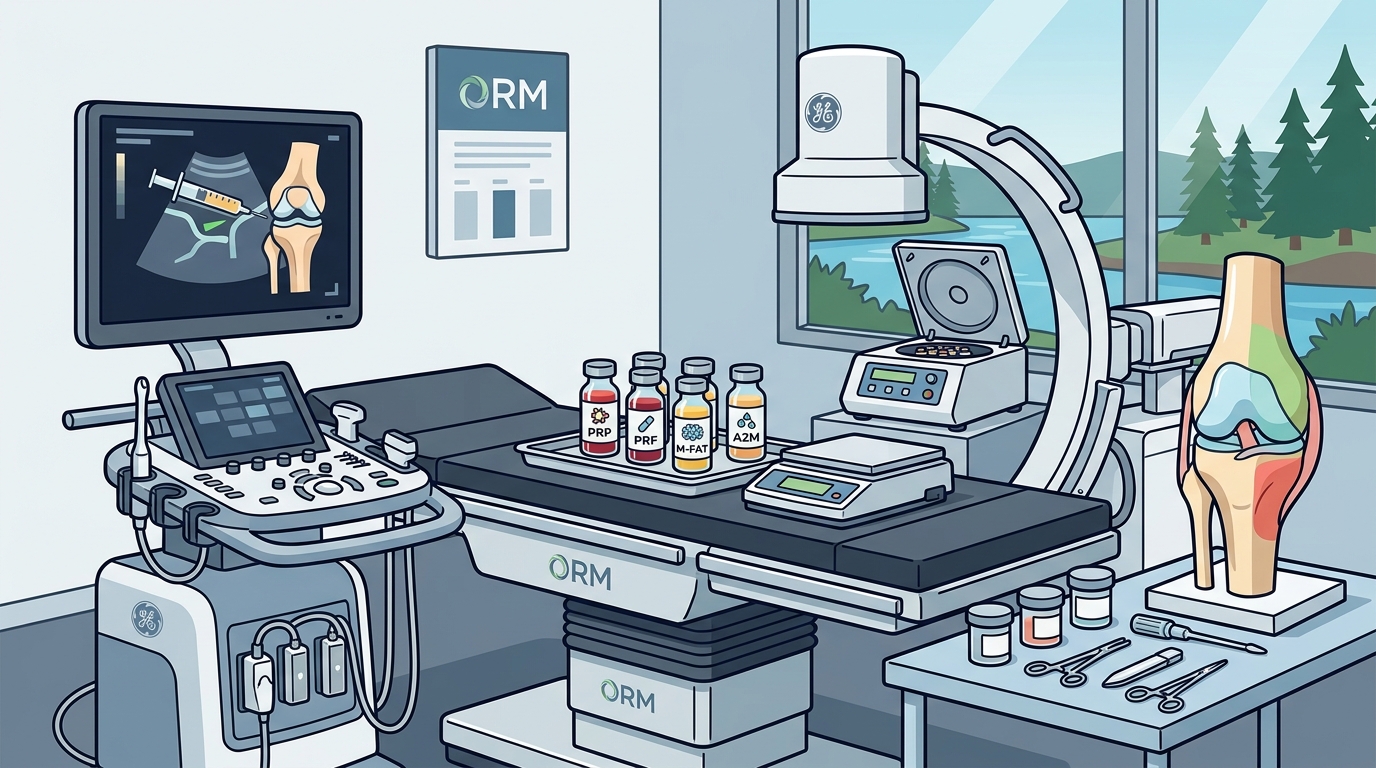
Stem cell therapy represents the cutting edge of regenerative medicine. Autologous adipose tissue-derived stem cells are harvested from the patient's own body fat and processed to isolate the reparative cells. These cells are then injected into the affected area to promote cartilage regeneration and reduce inflammation.
Adult adipose tissue is the most abundant source of reparative cells in the human body. Scientists have identified hundreds of growth and repair compounds in these cells, making them a powerful tool for treating degenerative diseases. Clinical studies have shown promising results in the regeneration of cartilage in human knee osteoarthritis using autologous adipose tissue-derived stem cells. This approach offers hope for patients with advanced degeneration who may not be candidates for joint replacement.
The Role of Ultrasound Guidance
Precision is the cornerstone of effective regenerative medicine. Ultrasound imaging has revolutionized the way these injections are administered. Unlike traditional "blind" injections, ultrasound allows practitioners to visualize the needle in real-time as it approaches the target tissue.
Ultrasound imaging is equal to or better than MRI in evaluating most tendon and ligament disorders in the arms and legs. This capability allows for immediate diagnosis and treatment in a single visit. The ability to see individual tendon, ligament, and fascia fibers enables practitioners to place the medicine exactly where it is needed, avoiding nerves and blood vessels.
This level of precision reduces the risk of complications and increases the efficacy of the treatment. At Oregon Regenerative Medicine, all physicians are highly skilled in ultrasound imaging for both diagnosis and image-guided procedures. This expertise ensures that patients receive the highest standard of care, with treatments tailored to their specific anatomical needs.
Clinical Applications and Efficacy
Regenerative medicine is applicable to a wide range of orthopedic and degenerative conditions. It is particularly effective for osteoarthritis, which affects millions of people worldwide. The condition is characterized by the breakdown of cartilage, leading to pain, stiffness, and reduced mobility.
For patients with shoulder pain, regenerative therapies offer a viable alternative to surgery. A clinical study on shoulder repair using regenerative techniques has shown positive outcomes in terms of pain reduction and functional improvement. Similarly, conditions such as tennis elbow, golfer's elbow, and rotator cuff tears can be effectively treated with PRP and prolotherapy.
The efficacy of these treatments is supported by a growing body of scientific literature. Research articles on regenerative medicine, such as those found on additional research articles on regenerative medicine, provide evidence for the use of mesenchymal stem cells and platelet-rich plasma in treating various musculoskeletal disorders. These studies confirm that regenerative medicine is not just a trend but a scientifically validated approach to healing.
Treatment Comparison Matrix
Choosing the right treatment depends on the specific condition, the severity of the injury, and the patient's overall health. The following table compares the three primary modalities to help patients make informed decisions.
| Treatment Modality | Source | Primary Mechanism | Best For | Recovery Time |
|---|---|---|---|---|
| PRP Therapy | Patient's Blood | Growth Factor Release | Tendonitis, Ligament Sprains | 1-2 Weeks |
| Prolotherapy | Dextrose Solution | Inflammatory Response | Ligament Laxity, Joint Instability | 1-3 Weeks |
| Stem Cell Therapy | Adipose Tissue | Cellular Regeneration | Osteoarthritis, Cartilage Defects | 2-4 Weeks |
Key Takeaways
- Regenerative medicine focuses on tissue repair rather than symptom management, offering a long-term solution for chronic pain.
- Over 40,000 regenerative injections have been performed by specialized clinics, indicating widespread clinical adoption and patient trust.
- PRP, Prolotherapy, and Stem Cell Therapy are the three primary modalities, each with distinct mechanisms and indications.
- Ultrasound guidance is critical for precision, allowing real-time visualization of needles and target tissues to maximize efficacy.
- Clinical studies support the use of PRP for knee osteoarthritis and stem cells for cartilage regeneration.
- Oregon Regenerative Medicine has over 30 years of experience in non-surgical orthopedic treatments.
- Patients who have been told surgery is their only option may find viable alternatives through regenerative therapies.
Frequently Asked Questions
Is regenerative medicine covered by insurance?
Insurance coverage for regenerative medicine varies significantly by provider and plan. Many insurance companies classify these treatments as experimental or cosmetic, particularly for aesthetic applications. However, some plans may cover PRP or prolotherapy for specific orthopedic conditions. It is advisable to check with your insurance provider before starting treatment.
How long does it take to see results from PRP therapy?
Results from PRP therapy are not immediate. The healing process takes time as the body responds to the injected growth factors. Most patients begin to notice improvements within 4 to 6 weeks, with full benefits potentially taking up to 3 months to manifest. Multiple sessions may be required for optimal outcomes.
What is the difference between PRP and stem cell therapy?
PRP uses concentrated platelets from the patient's blood to release growth factors that stimulate healing. Stem cell therapy uses adult adipose-derived stem cells harvested from body fat to promote cellular regeneration. Stem cell therapy is generally considered more potent for severe degenerative conditions like advanced osteoarthritis, while PRP is often sufficient for tendon and ligament injuries.
Are there any risks associated with regenerative injections?
Because these treatments use the patient's own biological materials, the risk of allergic reaction or rejection is virtually non-existent. However, as with any injection, there is a small risk of infection, bleeding, or nerve damage. Using ultrasound guidance significantly mitigates these risks by ensuring precise needle placement.
Can regenerative medicine cure osteoarthritis?
Regenerative medicine cannot completely cure osteoarthritis, as it involves the irreversible loss of cartilage. However, it can significantly slow the progression of the disease, reduce pain, and improve joint function. For many patients, it can delay or even eliminate the need for joint replacement surgery.
What is the role of ultrasound in regenerative medicine?
Ultrasound provides real-time imaging that allows practitioners to see the needle and the target tissue simultaneously. This ensures accurate delivery of the therapeutic agents to the exact site of injury, maximizing the effectiveness of the treatment and minimizing the risk of complications.
How many treatments are typically needed?
The number of treatments depends on the severity of the condition and the specific therapy used. Some patients may see improvement after a single session, while others may require a series of 2 to 3 treatments spaced several weeks apart. A personalized treatment plan is developed during the initial consultation.
Schedule Your Consultation
If you are suffering from chronic pain or joint degeneration, regenerative medicine may offer the relief you have been seeking. Do not accept surgery or lifelong medication as your only options. Contact Oregon Regenerative Medicine today to schedule a consultation. Our team of experienced physicians is ready to help you reclaim your active lifestyle through evidence-based, non-surgical treatments.