Regenerative medicine has fundamentally shifted the paradigm of orthopedic care from symptom management to biological repair. According to recent clinical analyses, the efficacy of Platelet-Rich Plasma in treating knee osteoarthritis is supported by meta-analyses of randomized controlled trials, demonstrating significant pain reduction and functional improvement. This scientific foundation allows practitioners to offer durable, non-surgical solutions for chronic musculoskeletal injuries. At Oregon Regenerative Medicine, we leverage this evidence-based approach to help thousands of patients in the Pacific Northwest achieve active longevity without invasive surgery.
The Biological Mechanisms of Regeneration
Regenerative Orthopedic Medicine is a powerful healing art and medical specialty that focuses on restoring the body's natural ability to repair damaged tissues. Unlike traditional pain management, which often masks symptoms, regenerative therapies target the underlying cause of injury and degeneration. The core principle involves stimulating the body's own repair systems to rebuild tendons, ligaments, joints, and cartilage.
Proficiency in this field requires decades of dedicated training and clinical experience. Our doctors at Oregon Regenerative Medicine have performed over 40,000 regenerative injections, utilizing a combination of Prolotherapy, Platelet Rich Plasma (PRP), and Biocellular stem cell therapies. These treatments enhance the natural cycles of repair for aging and chronically injured knees, hips, ligaments, tendons, and skin. By harnessing the body's biological potential, we can often reverse the trajectory of degenerative diseases.
The Science of Platelet-Rich Plasma
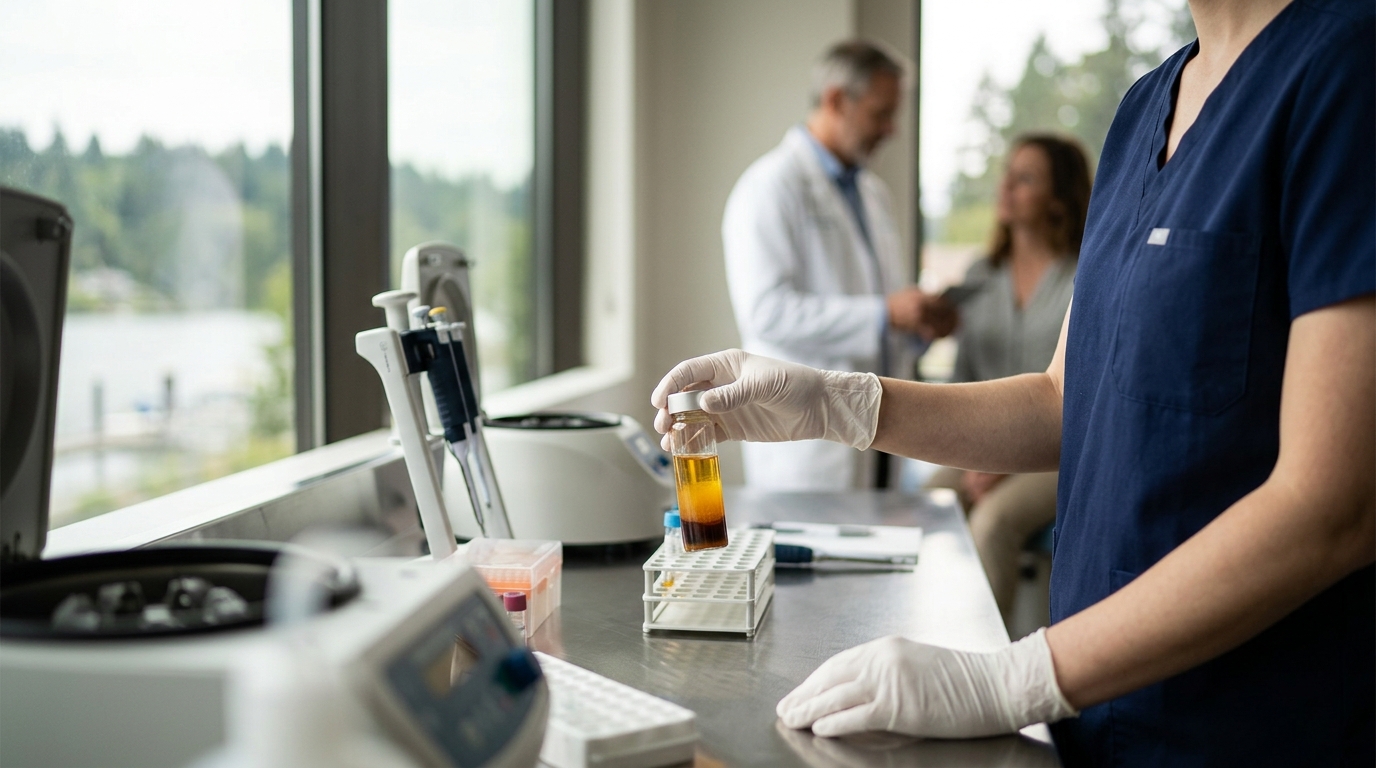
Platelet-Rich Plasma is a concentration of platelets from your own blood. Platelets are best known for their role in clotting, but they also contain numerous growth factors and proteins that stimulate tissue repair. When concentrated and injected into an injured area, PRP releases these growth factors in a controlled manner, accelerating the healing process.
Scientists have identified hundreds of growth and repair compounds in PRP. These compounds signal the body to initiate inflammation, which is the first stage of healing, and then transition to tissue regeneration. This process is particularly effective for treating osteoarthritis and soft tissue injuries. For a deeper understanding of the biological basis, you can review our research articles on regenerative medicine.
PRP is not limited to orthopedics. It is also used in aesthetic medicine for skin rejuvenation and hair restoration. The growth factors stimulate collagen production and improve skin texture, offering a natural alternative to synthetic fillers. This versatility makes PRP a cornerstone of our functional medicine and aesthetic offerings.
Prolotherapy: Stimulating Natural Healing
Prolotherapy, short for proliferation therapy, involves injecting an irritant solution, typically dextrose, into damaged ligaments and tendons. This injection causes a localized inflammatory response, which triggers the body's healing mechanisms. The goal is to strengthen and tighten lax ligaments and tendons, thereby stabilizing the joint and reducing pain.
Long-term effects of dextrose prolotherapy have been studied extensively, particularly for conditions like anterior cruciate ligament laxity. The treatment is non-surgical and relies on the body's innate ability to repair itself. By repeating the injections over several sessions, patients can achieve significant improvements in joint stability and function. This approach is ideal for patients who want to avoid surgery or delay joint replacement.
Prolotherapy is often combined with PRP to enhance the healing response. The irritant from the prolotherapy stimulates the initial inflammatory phase, while the growth factors from PRP accelerate the subsequent repair phase. This synergistic effect can lead to faster and more durable results. For more information on our specific protocols, visit our Prolotherapy page.
Stem Cell Therapy and Biocellular Grafts
Stem cell therapy represents the cutting edge of regenerative medicine. At Oregon Regenerative Medicine, we use autologous adipose tissue-derived stem cells. These cells are harvested from the patient's own body, typically through a minimally invasive liposuction procedure, and then processed to isolate the regenerative cells.
Adult adipose tissue is the most abundant source of reparative cells in the human body. These cells, known as mesenchymal stem cells (MSCs), have the potential to differentiate into various tissue types, including bone, cartilage, and fat. When injected into an injured joint, they can help regenerate damaged cartilage and reduce inflammation. This is particularly beneficial for patients with advanced osteoarthritis who have not responded to other treatments.
The use of biocellular grafts allows for a more robust regenerative response compared to PRP alone. The combination of stem cells and growth factors creates a powerful healing environment. Our stem cell orthopedics program is designed to provide personalized treatment plans based on the patient's specific condition and goals. We also provide detailed information on the risks and benefits of stem cell therapy to ensure informed decision-making.
The Role of Ultrasound in Precision Medicine
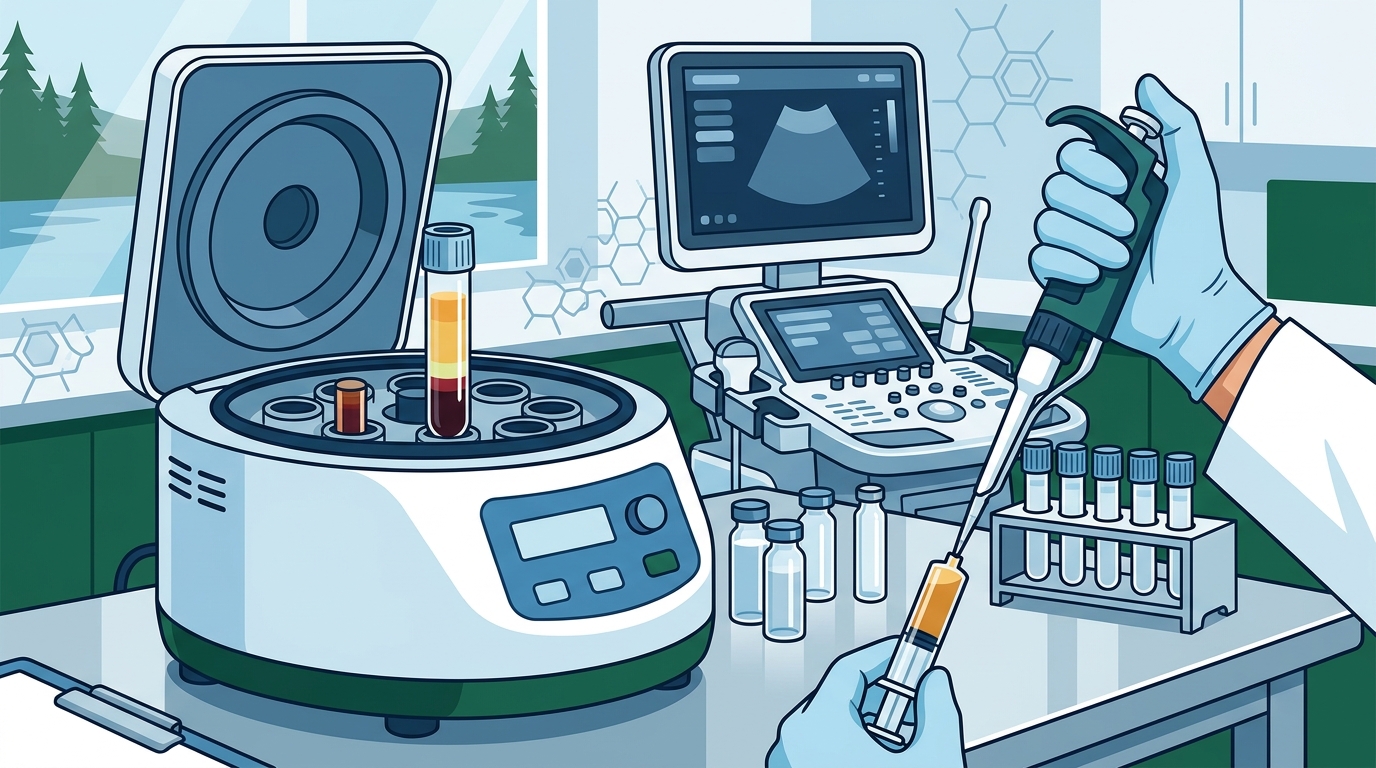
Accuracy is critical in regenerative medicine. To ensure that the therapeutic agents are delivered to the exact site of injury, we utilize advanced ultrasound imaging. Ultrasound imaging is equal to or better than MRI in evaluating most tendon and ligament disorders in the arms and legs. This includes conditions such as Achilles tendinitis, tennis elbow, and rotator cuff tears.
Ultrasound allows us to visualize the anatomy in real-time, enabling precise needle placement. This level of precision ensures that the PRP, prolotherapy solution, or stem cell graft is delivered exactly where it is needed. It also allows us to avoid nerves and blood vessels, minimizing the risk of complications. For a detailed explanation of our diagnostic capabilities, read our article on ultrasound expertise.
Real-time imaging also aids in diagnosis. Many patients come to us with chronic pain that has not been fully evaluated. By using ultrasound in the office, we can often identify the source of pain immediately, saving patients time and avoiding unnecessary referrals. This patient-centered approach is a hallmark of our practice.
Comparing Regenerative Options
Choosing the right regenerative therapy depends on the specific condition, the extent of tissue damage, and the patient's overall health. Below is a comparison of the three primary treatments we offer.
| Therapy | Primary Mechanism | Best For | Source |
|---|---|---|---|
| PRP | Growth factor release | Soft tissue injuries, early osteoarthritis | PRP Therapy |
| Prolotherapy | Inflammatory stimulation | Ligament laxity, joint instability | Prolotherapy |
| Stem Cells | Cellular regeneration | Advanced degeneration, cartilage loss | Stem Cell Therapy |
PRP is often the first line of defense for soft tissue injuries. It is less invasive than stem cell therapy and can be performed in a single session. Prolotherapy is ideal for patients with ligamentous laxity, where the goal is to tighten and strengthen the supporting structures. Stem cell therapy is reserved for more severe cases where significant tissue regeneration is required.
Our doctors will evaluate your condition using ultrasound and clinical examination to determine the most appropriate treatment. In many cases, a combination of therapies is used to maximize results. For example, we may combine prolotherapy with PRP to enhance the healing response. This personalized approach ensures that each patient receives the most effective care for their unique needs.
Key Takeaways
- Oregon Regenerative Medicine has performed over 40,000 regenerative injections, establishing a strong track record of success in the Pacific Northwest.
- Platelet-Rich Plasma (PRP) contains hundreds of growth factors that stimulate tissue repair and reduce inflammation.
- Prolotherapy uses dextrose injections to stimulate the body's natural healing response, strengthening ligaments and tendons.
- Autologous adipose-derived stem cells are harvested from the patient's own body, minimizing the risk of rejection and maximizing regenerative potential.
- Ultrasound guidance is critical for precision, ensuring that therapeutic agents are delivered exactly to the site of injury.
- Regenerative medicine offers a non-surgical alternative for patients with osteoarthritis and chronic musculoskeletal pain.
- Our team includes board-certified physicians with decades of experience in regenerative and aesthetic medicine.
Frequently Asked Questions
Is regenerative medicine covered by insurance?
Most regenerative therapies, including PRP and stem cell injections, are not currently covered by insurance. However, we offer flexible payment plans to make treatment accessible. You can contact our office for more details on pricing and financing options.
How long does it take to see results from PRP?
Results from PRP therapy vary depending on the condition being treated. Some patients experience relief within a few weeks, while others may take several months to see full benefits. The healing process is gradual as the body rebuilds the damaged tissue.
What is the difference between PRP and stem cell therapy?
PRP uses concentrated platelets from your blood to release growth factors, while stem cell therapy uses adult stem cells harvested from your adipose tissue to regenerate damaged cells. Stem cell therapy is generally more potent and is used for more severe degenerative conditions.
Are stem cell injections safe?
Yes, when performed by experienced professionals using autologous (your own) cells, stem cell injections are very safe. At Oregon Regenerative Medicine, we follow strict protocols to ensure the safety and efficacy of our treatments. Learn more about the risks of stem cells to make an informed decision.
Can PRP be used for hair loss?
Yes, PRP is an effective treatment for hair loss. The growth factors in PRP stimulate hair follicles and promote hair growth. We offer PRP for hair restoration as part of our aesthetic arts services.
What is Prolotherapy?
Prolotherapy is a non-surgical treatment that involves injecting an irritant solution into damaged ligaments and tendons to stimulate healing. It is commonly used to treat joint pain and instability. Visit our Prolotherapy page for more information.
How is ultrasound used in regenerative medicine?
Ultrasound is used to guide needles precisely to the site of injury during injections. It also helps in diagnosing the source of pain by visualizing soft tissues in real-time. Our ultrasound expertise ensures accurate and effective treatments.
Schedule Your Consultation
If you are suffering from chronic pain or joint degeneration, regenerative medicine may offer the solution you have been looking for. Our team of experienced physicians is dedicated to helping you achieve pain-free function and active longevity. We invite you to schedule a consultation to discuss your options. Contact us today to learn more about our services and how we can help you.