Regenerative medicine has fundamentally altered the landscape of orthopedic care in the Pacific Northwest. According to recent industry data, the global regenerative medicine market is projected to exceed $20 billion by 2026, reflecting a massive shift toward non-surgical interventions for chronic pain and joint degeneration. This growth is particularly evident in Portland, Oregon, where patients are increasingly seeking alternatives to invasive surgery and long-term opioid dependency. The city's active lifestyle culture has created a high demand for precision injection therapies that restore function without the downtime of traditional operations. This guide explores the clinical realities of Platelet Rich Plasma (PRP), biocellular stem cell therapy, and prolotherapy as delivered by leading local experts.
What Is Regenerative Medicine?
Regenerative medicine is a branch of translational research in tissue engineering and molecular biology which focuses on replacing or regenerating human cells, tissues or organs to restore or establish normal function. In the context of orthopedics, it involves stimulating the body's own healing mechanisms to repair damaged joints, tendons, and ligaments. Unlike pharmaceutical approaches that merely mask pain symptoms, regenerative therapies aim to address the underlying structural damage.
In Portland, this approach has gained significant traction among athletes, active seniors, and individuals suffering from osteoarthritis. The city's reputation for outdoor recreation means that joint health is a priority for many residents. By utilizing autologous materials—tissues derived from the patient's own body—the risk of immune rejection is eliminated. This personalized approach allows for targeted treatment of specific injuries, such as knee osteoarthritis, rotator cuff tears, and chronic lower back pain.
For more detailed insights into the research supporting these treatments, you can review the additional research articles on regenerative medicine provided by local experts. These resources highlight the growing body of evidence validating the efficacy of these non-surgical interventions.
The Science and Benefits of PRP Therapy
Platelet Rich Plasma, or PRP, is a concentration of a patient's own platelets, which contain growth factors that promote healing. Platelets are best known for their role in blood clotting, but they also release proteins that stimulate tissue repair and regeneration. When injected into an injured area, PRP can accelerate the healing process and reduce inflammation.
How PRP Works
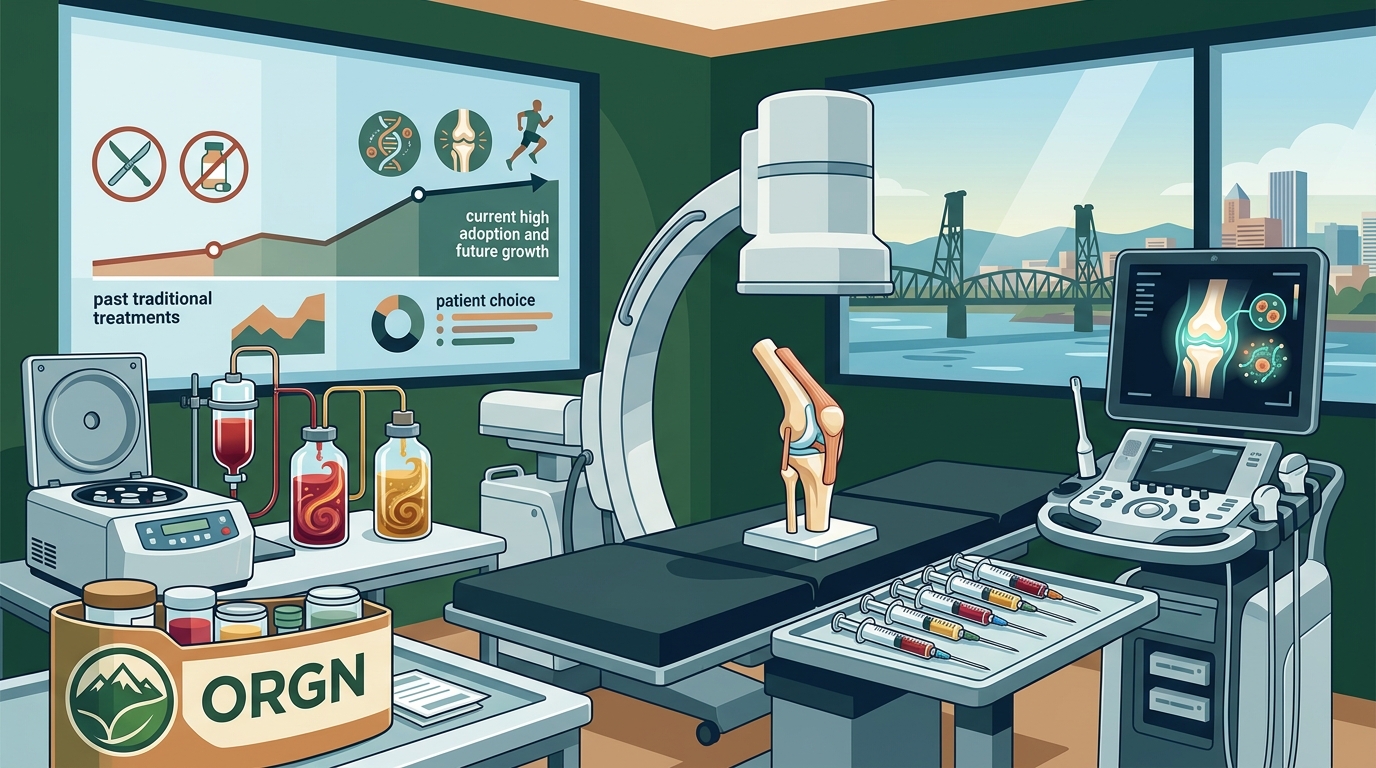
The process begins with a simple blood draw from the patient. This blood is then placed in a centrifuge, which spins at high speeds to separate the components. The platelet-rich layer is extracted and prepared for injection. This concentrated plasma is then guided precisely into the affected tissue using advanced imaging techniques.
Clinical Applications
PRP is effective for a wide range of conditions, including tennis elbow, golfer's elbow, Achilles tendinitis, and knee osteoarthritis. Studies have shown that PRP can provide significant pain relief and improve function in patients with mild to moderate osteoarthritis. For those interested in the aesthetic benefits, PRP is also used for skin rejuvenation and hair restoration, as it stimulates collagen production.
For a comprehensive overview of the therapy, including preparation methods and clinical outcomes, refer to the ultimate guide to PRP therapy available on the clinic's resource page. This guide details the specific protocols used to maximize growth factor concentration and ensure optimal patient outcomes.
Biocellular Stem Cell Therapy Explained
Biocellular stem cell therapy represents a more advanced form of regenerative medicine. It involves the use of autologous adipose-derived stem cells, which are harvested from the patient's own fat tissue. These cells have the potential to differentiate into various cell types, including bone, cartilage, and muscle cells, making them highly valuable for treating degenerative conditions.
The Adipose Advantage
Adipose tissue is an abundant source of mesenchymal stem cells (MSCs). These cells are not only numerous but also possess strong anti-inflammatory and immunomodulatory properties. When processed and injected into damaged joints, they can help regenerate cartilage and reduce pain. This approach is particularly beneficial for patients with severe osteoarthritis who have not responded to other treatments.
Safety and Efficacy
Because the cells are derived from the patient's own body, the risk of rejection or disease transmission is virtually non-existent. Clinical studies have demonstrated that adipose-derived stem cells can promote the regeneration of articular cartilage in human knee osteoarthritis. For a deeper understanding of the safety profile and potential risks, patients are encouraged to read understand the risks of stem cells to make an informed decision about their treatment plan.
Prolotherapy: Strengthening Ligaments and Tendons
Prolotherapy is a non-surgical treatment that involves injecting an irritant solution, typically dextrose, into damaged ligaments and tendons. This injection causes a localized inflammatory response, which stimulates the body's natural healing process. Over time, this leads to the strengthening of the connective tissue and improved joint stability.
Who Is a Candidate?
Prolotherapy is ideal for patients with chronic joint pain, ligament laxity, and degenerative joint disease. It is particularly effective for conditions such as knee instability, shoulder pain, and lower back pain caused by ligamentous damage. The treatment is often used in conjunction with PRP to enhance the healing response.
Long-Term Results
Unlike pain medications that provide temporary relief, prolotherapy aims to provide long-term structural improvement. Patients often experience a gradual reduction in pain and an increase in strength over several weeks. For more information on this traditional yet effective approach, explore the dedicated prolotherapy section on the clinic's website.
The Critical Role of Ultrasound Guidance
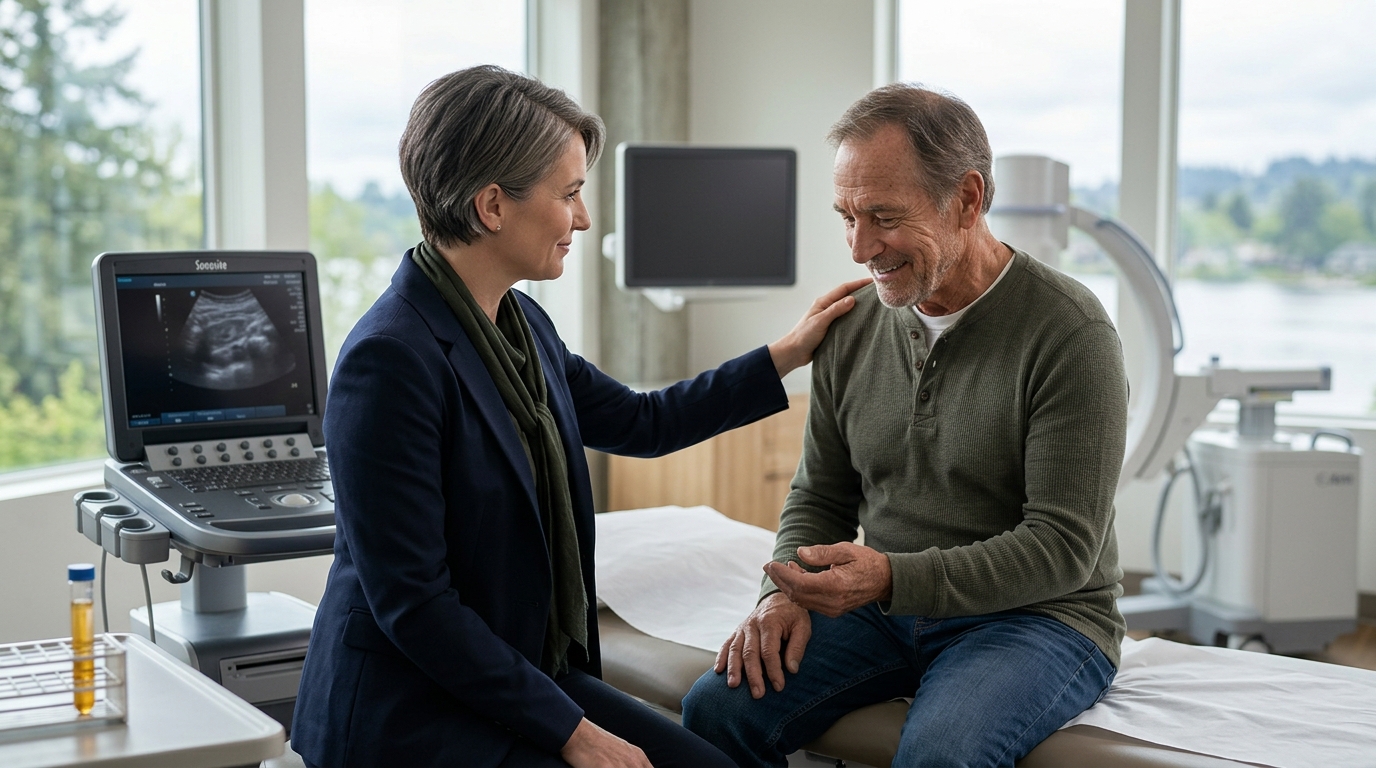
Accuracy is paramount in regenerative medicine. Ultrasound guidance allows physicians to visualize the needle in real-time as it is inserted into the target tissue. This ensures that the therapeutic agents are delivered precisely to the site of injury, maximizing efficacy and minimizing discomfort.
Why Ultrasound Matters
Ultrasound imaging is equal to or better than MRI in evaluating most tendon and ligament disorders in the arms and legs. It allows for the differentiation between normal and abnormal tissue, enabling a more accurate diagnosis. Furthermore, it helps avoid critical structures such as nerves and blood vessels, reducing the risk of complications.
For a detailed explanation of why precision matters, read seeing is believing: why ultrasound expertise matters. This article highlights the clinical advantages of real-time imaging in achieving superior patient outcomes.
Comparison of Regenerative Options
Choosing the right treatment depends on the specific condition, the severity of the injury, and the patient's overall health. The table below provides a comparative overview of the three primary therapies offered in Portland.
| Therapy | Primary Source | Best For | Key Benefit |
|---|---|---|---|
| PRP Therapy | Patient's Blood | Tendonitis, Mild Osteoarthritis | Accelerated healing via growth factors |
| Biocellular Stem Cells | Patient's Adipose Tissue | Severe Osteoarthritis, Cartilage Defects | Cartilage regeneration and anti-inflammatory effects |
| Prolotherapy | Dextrose Solution | Ligament Laxity, Joint Instability | Strengthening connective tissue |
Key Takeaways
- Non-Surgical Alternative: Regenerative medicine offers a viable alternative to joint replacement surgery for many Portland residents.
- Autologous Safety: All therapies use the patient's own tissues, eliminating the risk of immune rejection.
- Precision Matters: Ultrasound guidance ensures accurate delivery of therapeutic agents to the injury site.
- Proven Efficacy: Clinical studies support the use of PRP and stem cells for treating osteoarthritis and tendon injuries.
- Local Expertise: Oregon Regenerative Medicine has performed over 40,000 regenerative injections, demonstrating extensive clinical experience. (Tourism in Portland)
- Personalized Care: Treatment plans are tailored to individual patient needs, combining therapies for optimal results.
- Active Lifestyle Support: These treatments help patients return to their active lifestyles in the Pacific Northwest.
Frequently Asked Questions
Is regenerative medicine covered by insurance?
Most insurance plans do not currently cover regenerative medicine treatments, as they are often considered elective or experimental. However, some plans may offer partial coverage depending on the specific diagnosis and policy details.
How long does PRP therapy take?
The PRP preparation and injection process typically takes about 30 to 45 minutes. Patients can usually resume normal activities immediately, although strenuous exercise may be restricted for a short period.
What is the success rate of stem cell therapy?
Success rates vary depending on the condition and severity. However, many patients experience significant pain reduction and improved function. Clinical data suggests that autologous adipose-derived stem cells are particularly effective for knee osteoarthritis.
Are there any side effects?
Since the treatments use the patient's own tissues, the risk of allergic reaction is minimal. Common side effects include temporary pain, swelling, or bruising at the injection site, which usually resolves within a few days.
How many treatments are needed?
Most patients require one to three treatments spaced several weeks apart. The exact number depends on the severity of the condition and the individual's healing response.
Can I combine PRP with prolotherapy?
Yes, combining PRP with prolotherapy is a common strategy to enhance healing. The prolotherapy stimulates the inflammatory response, while PRP provides the growth factors needed for tissue repair.
What makes Oregon Regenerative Medicine different?
ORM combines decades of clinical experience with advanced ultrasound guidance and a holistic approach to care. Their team of specialists is dedicated to providing evidence-based, personalized treatment plans for each patient.
Contact Oregon Regenerative Medicine
If you are suffering from chronic pain or joint degeneration, regenerative medicine may offer the relief you have been seeking. Oregon Regenerative Medicine is located in the historic Foundry Building in Portland, Oregon. Their team of experts is ready to help you explore your options and develop a personalized treatment plan.
To schedule a consultation or learn more about their services, please visit the contact page or call Oregon Regenerative Medicine directly. Take the first step toward a pain-free, active life today.